Pricing Strategies 2025: US Consumer Price Elasticity Analysis
Understanding US consumer price elasticity in 2025 is paramount for businesses to develop adaptive and effective pricing strategies that resonate with evolving market dynamics and economic conditions.
As we approach 2025, the landscape of consumer behavior in the United States continues to evolve, making the study of Pricing Strategies for 2025: A Market Analysis of US Consumer Price Elasticity more critical than ever. Businesses face the challenge of setting prices that not only cover costs and generate profit but also align with consumer willingness to pay in a dynamic economic environment. This deep dive will explore the nuances of price elasticity, offering actionable insights for navigating the complexities of the modern American marketplace.
Understanding Price Elasticity in the 2025 US Market
Price elasticity of demand (PED) measures how sensitive consumer demand is to changes in price. In the context of the 2025 US market, several factors are set to influence this sensitivity, including ongoing inflation, shifts in disposable income, and the increasing prevalence of e-commerce. Businesses must meticulously analyze these elements to forecast consumer reactions to price adjustments accurately.
A high price elasticity means consumers are highly responsive to price changes, often switching to alternatives if prices rise. Conversely, low elasticity indicates that demand remains relatively stable even with price fluctuations, typically seen in essential goods or services with few substitutes.
Key Determinants of Elasticity in 2025
Several underlying factors will shape consumer price elasticity in the coming year. These include the availability of substitutes, the necessity of the good or service, the proportion of income spent on the item, and the time horizon over which consumers can adjust their purchasing habits.
- Availability of Substitutes: Products with many alternatives tend to have higher elasticity, as consumers can easily switch if prices increase.
- Necessity vs. Luxury: Essential goods and services generally exhibit lower elasticity compared to luxury or discretionary items.
- Income Proportion: Items that represent a significant portion of a consumer’s income are more likely to be price-elastic.
- Time Horizon: In the long run, consumers have more time to find substitutes or adjust their consumption patterns, leading to higher elasticity.
Understanding these determinants allows businesses to segment their offerings and tailor pricing models more effectively. For instance, a rise in fuel prices might initially show low elasticity, but over time, consumers may seek more fuel-efficient vehicles or alternative transportation, increasing elasticity.
The economic outlook for 2025 suggests continued vigilance from consumers, who will likely remain sensitive to price points due to lingering inflationary pressures and potential economic uncertainties. This environment necessitates a nuanced approach to pricing, moving beyond simple cost-plus models.
Economic Forecasts and Consumer Behavior Shaping 2025
The economic climate of 2025 will significantly mold consumer spending habits and, consequently, price elasticity. Forecasts suggest a mixed bag of continued inflation moderation, potential interest rate changes, and fluctuating employment rates. These macroeconomic indicators directly impact disposable income and consumer confidence, which are critical for purchasing decisions.
Consumers, having experienced recent periods of economic volatility, are likely to be more discerning with their spending. Value for money will likely remain a dominant theme, pushing businesses to justify their pricing through quality, utility, or unique benefits.
Inflationary Pressures and Consumer Sentiment
While inflation is expected to cool down, its lingering effects will keep consumers price-aware. High prices for everyday goods can reduce the budget available for discretionary spending, making non-essential items more elastic. Consumer sentiment, often influenced by economic news and personal financial situations, plays a crucial role in purchasing decisions.
A positive sentiment might lead to more willingness to spend, even on slightly higher-priced goods, whereas negative sentiment can trigger a search for bargains and an increased sensitivity to price increases. Businesses should monitor sentiment indicators closely to anticipate shifts in demand.
Technological advancements and widespread internet access empower consumers with more information than ever before. Price comparison tools, online reviews, and social media discussions make it easier for consumers to find alternatives and evaluate value, generally increasing price elasticity across many sectors. The rapid adoption of e-commerce further amplifies this trend, reducing geographical barriers to competition.
The interplay between economic forecasts and evolving consumer behavior underscores the need for agile pricing strategies. Static pricing models will likely prove ineffective in a market characterized by informed and cautious consumers. Businesses that can adapt quickly to changing economic signals and consumer preferences will gain a significant competitive advantage.
Data-Driven Pricing: A Modern Imperative
In 2025, relying on gut feelings for pricing decisions is a recipe for disaster. Data-driven pricing strategies are no longer a luxury but a fundamental requirement for businesses aiming to thrive in the US market. Leveraging advanced analytics, artificial intelligence (AI), and machine learning (ML) can provide unprecedented insights into consumer behavior and price elasticity.
Collecting and analyzing vast amounts of data, from transactional histories to website interactions and social media sentiment, allows businesses to identify patterns and predict how consumers will react to price changes. This predictive capability enables dynamic pricing, where prices can be adjusted in real-time based on demand, inventory levels, and competitor pricing.
Tools and Techniques for Price Optimization
Modern businesses have access to a suite of tools that can help in price optimization. These range from sophisticated pricing software to integrated CRM and ERP systems that provide a holistic view of customer interactions and sales data.
- Predictive Analytics: Using historical data to forecast future demand at various price points.
- A/B Testing: Experimenting with different price points for products or services to determine optimal pricing.
- Competitor Price Monitoring: Continuously tracking competitor pricing to ensure competitive positioning.
- Customer Segmentation: Tailoring prices and offers to different customer segments based on their perceived value and elasticity.
The effective implementation of data-driven pricing requires not only the right technology but also a culture of continuous learning and adaptation. Businesses must be willing to experiment, analyze results, and refine their strategies based on concrete data rather than assumptions.
Furthermore, ethical considerations surrounding data privacy and transparency in pricing are becoming increasingly important. Consumers are more aware of how their data is used, and opaque pricing practices can erode trust. Building trust through fair and transparent pricing, even while employing sophisticated data analytics, is crucial for long-term success.
Pricing Strategies for Different Elasticity Levels
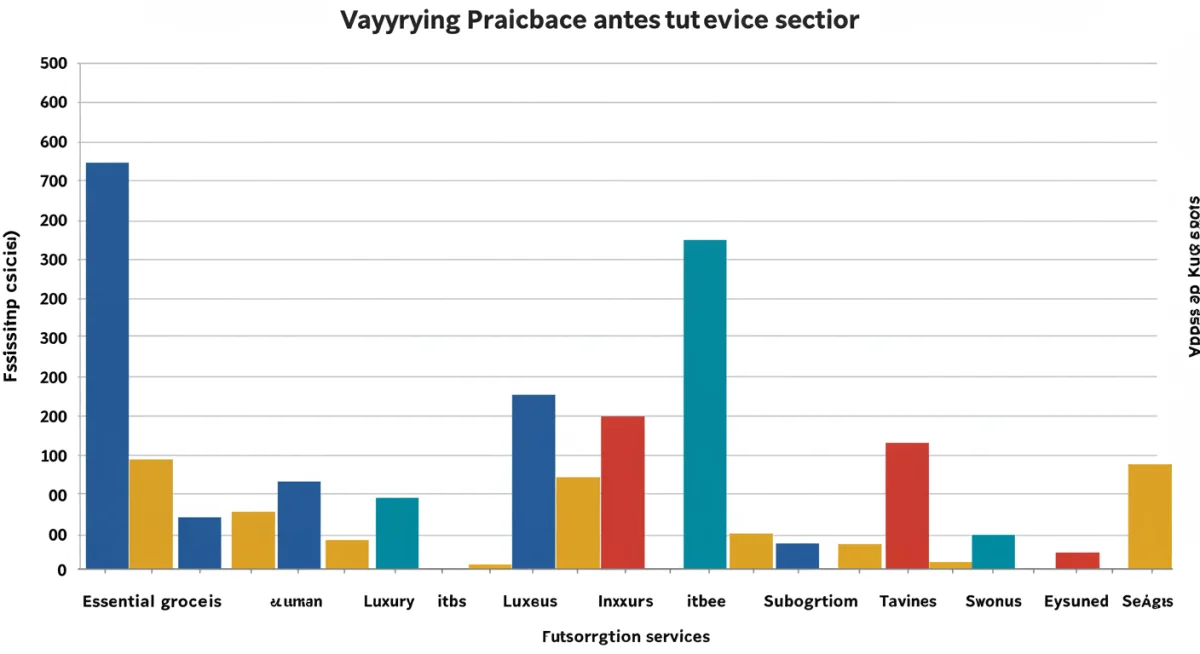
The key to successful pricing in 2025 lies in understanding the elasticity of each product or service and applying appropriate strategies. Not all products are created equal in the eyes of the consumer, and their sensitivity to price will vary significantly. Tailoring strategies to these differences can maximize revenue and market share.
For products with high price elasticity, a slight price increase can lead to a significant drop in demand. In these cases, strategies like penetration pricing, competitive pricing, or even loss leaders might be more effective. The focus should be on volume and market share rather than high margins per unit.
Strategies for Elastic Products
When consumers are highly sensitive to price, businesses must be strategic about how they position their products. Small price adjustments can have a large impact on sales volumes.
- Penetration Pricing: Setting a low initial price to quickly gain market share, especially in competitive markets.
- Promotional Pricing: Offering temporary discounts or bundles to stimulate demand and attract new customers.
- Value-Based Pricing: Focusing on the perceived value to the customer rather than just the cost, justifying a competitive price.
Conversely, for products with low price elasticity, businesses have more leeway to adjust prices without drastically impacting demand. These are often unique, essential, or brand-loyal products. Strategies like premium pricing, skim pricing, or psychological pricing can be more appropriate.
Understanding these distinctions allows businesses to build a diverse pricing portfolio that optimizes profitability across their entire product range. A ‘one-size-fits-all’ approach to pricing will inevitably lead to missed opportunities and suboptimal financial performance.
The Role of Brand and Value Perception
Beyond the raw economics of supply and demand, brand strength and perceived value play an immense role in shaping consumer price elasticity in 2025. A strong brand can often command higher prices and exhibit lower price elasticity because consumers are willing to pay a premium for trust, quality, and a positive experience.
Perceived value is not just about the product’s features but also its benefits, the customer service experience, convenience, and the emotional connection consumers have with a brand. In a crowded market, differentiation through branding can insulate products from intense price competition.
Building Brand Equity to Influence Elasticity
Investing in brand building is a long-term strategy that pays dividends in pricing power. A well-established brand reduces the perceived risk for consumers and often fosters loyalty, making them less likely to switch to a competitor based solely on price.
- Consistent Messaging: Reinforcing brand values and unique selling propositions across all touchpoints.
- Exceptional Customer Experience: Providing outstanding service that builds loyalty and positive word-of-mouth.
- Innovation and Differentiation: Offering unique products or features that competitors cannot easily replicate.
In 2025, consumers are increasingly seeking brands that align with their personal values, such as sustainability, ethical sourcing, or community involvement. Brands that successfully communicate these values can create a deeper connection with their audience, further reducing price sensitivity. This shift towards conscious consumerism means that value extends beyond mere functionality.
Ultimately, a robust brand and strong value perception allow businesses to move beyond being just a commodity. It enables them to establish a unique position in the market where price is one factor among many, rather than the sole determinant of purchase decisions. This strategic advantage is invaluable in a price-sensitive market.
Navigating Regulatory and Ethical Pricing Considerations
As businesses refine their pricing strategies for 2025, it’s crucial to consider the evolving landscape of regulatory oversight and ethical expectations. While the primary goal of pricing is profitability, operating within legal and ethical boundaries is non-negotiable. Price gouging, deceptive pricing, and discriminatory practices can lead to severe legal repercussions and significant reputational damage.
The US market, with its complex web of state and federal regulations, requires careful attention to pricing compliance. This includes advertising laws, anti-trust regulations, and specific sector-based pricing rules. Transparency in pricing is also increasingly expected by consumers, who are quick to call out practices they perceive as unfair.
Ethical Pricing in a Competitive Landscape
Beyond legal requirements, ethical pricing involves considerations of fairness, accessibility, and social responsibility. Businesses are increasingly held accountable not just for what they charge, but how those prices impact different segments of society.
- Fairness: Ensuring pricing practices are equitable and do not exploit vulnerable populations or situations.
- Transparency: Clearly communicating pricing structures, fees, and any conditions to consumers.
- Non-discrimination: Avoiding pricing strategies that unfairly disadvantage certain groups of consumers.
Dynamic pricing, while effective for revenue optimization, must be implemented with care to avoid perceptions of unfairness. For instance, charging different prices for the same product based on a customer’s browsing history or demographic data can be viewed negatively. The balance lies in optimizing for profit while maintaining consumer trust and adhering to societal expectations of ethical conduct.
In 2025, businesses that prioritize ethical considerations in their pricing models will not only avoid legal pitfalls but also build stronger, more resilient relationships with their customer base. This commitment to responsible pricing can become a competitive differentiator, attracting consumers who value ethical business practices.
| Key Aspect | Description for 2025 US Market |
|---|---|
| Consumer Sensitivity | US consumers in 2025 are highly price-sensitive due to economic volatility and inflation, demanding clear value. |
| Data-Driven Pricing | Advanced analytics and AI are essential for optimizing prices based on real-time demand and competitor movements. |
| Brand & Value | Strong brand equity and perceived value can mitigate price sensitivity, allowing for premium pricing. |
| Ethical Considerations | Navigating regulatory compliance and maintaining transparency are crucial for long-term consumer trust. |
Frequently Asked Questions About 2025 Pricing Strategies
Price elasticity of demand (PED) measures how much the quantity demanded of a good or service responds to a change in its price. For 2025, understanding PED is vital because it allows businesses to predict consumer reactions to price adjustments in a volatile economic climate, helping optimize revenue and market share effectively.
Lingering inflation from previous years is expected to keep US consumers highly price-sensitive in 2025. This means that many goods, especially non-essentials, will likely exhibit higher price elasticity, as consumers will be more inclined to seek alternatives or reduce consumption if prices increase. Businesses must offer clear value.
Data is paramount for 2025 pricing strategies. Advanced analytics, AI, and machine learning allow businesses to analyze purchasing patterns, competitor pricing, and market trends to forecast demand and optimize prices dynamically. This ensures pricing decisions are based on evidence rather than assumptions, maximizing profitability and competitiveness.
Yes, a strong brand can significantly reduce price elasticity. Consumers often perceive higher value and trust in established brands, making them more willing to pay a premium. This brand loyalty and perceived differentiation reduce their sensitivity to price changes, allowing businesses greater flexibility in their pricing strategies compared to lesser-known brands.
Ethical pricing in 2025 involves ensuring fairness, transparency, and non-discrimination. Avoiding price gouging or deceptive practices is crucial for maintaining consumer trust and avoiding legal issues. Businesses should strive to balance profitability with social responsibility, ensuring their pricing models are perceived as just and equitable by their customer base.
Conclusion
The US market in 2025 presents a complex yet exciting challenge for businesses seeking to optimize their pricing strategies. A deep understanding of consumer price elasticity, influenced by economic shifts, technological advancements, and evolving consumer values, will be the cornerstone of success. By embracing data-driven approaches, tailoring strategies to specific product elasticity levels, building strong brands, and adhering to ethical guidelines, businesses can navigate the dynamic landscape effectively. Proactive adaptation and continuous analysis will not only ensure competitive advantage but also foster sustainable growth and robust consumer relationships in the years to come.