Retail Foot Traffic in 2025: Navigating a 10% Urban Decline

The anticipated 10% decline in urban retail foot traffic by 2025 signifies a critical shift for businesses, necessitating strategic adaptation to evolving consumer behaviors and market dynamics.
The landscape of retail is continuously shifting, and recent projections paint a clear picture for 2025: a significant retail foot traffic decline of 10% in urban centers. This isn’t merely a statistic; it’s a profound indicator of evolving consumer behavior and market forces. Understanding these shifts is crucial for businesses to not only survive but thrive in the coming years.
Understanding the 10% Decline in Urban Foot Traffic
The projected 10% decline in urban retail foot traffic by 2025 is a multifaceted phenomenon, influenced by a confluence of technological advancements, demographic shifts, and changing consumer preferences. This trend is not uniform across all sectors or geographies, but it signals a broader recalibration of how and where consumers choose to engage with brands and make purchases.
Several key factors contribute to this anticipated reduction. The sustained growth of e-commerce, accelerated by recent global events, has fundamentally altered shopping habits. Consumers have grown accustomed to the convenience of online shopping, where a vast array of products is available at their fingertips, often with rapid delivery options. This digital pivot has reduced the necessity for frequent physical store visits, particularly for routine purchases or product research.
The E-commerce Acceleration
The rise of e-commerce has been a dominant force in retail for over a decade, but its impact has intensified, becoming a primary driver of reduced physical store visits. Online platforms offer unparalleled convenience and selection, making them the preferred choice for many consumers.
- Convenience: Shopping from home, 24/7 access, and easy price comparison.
- Selection: Access to a wider range of products often unavailable in local stores.
- Personalization: AI-driven recommendations and tailored shopping experiences.
Beyond e-commerce, other elements play a role. The increasing prevalence of remote work has altered daily commuting patterns, meaning fewer people are physically present in urban cores during traditional shopping hours. Additionally, evolving urban planning, with a focus on mixed-use developments that integrate residential, commercial, and recreational spaces, can sometimes disperse retail activity rather than concentrating it in traditional high-street areas. This decentralization, while offering new opportunities, can also contribute to a perceived reduction in foot traffic in established urban retail hubs.
Ultimately, this 10% decline is a call for urban retailers to re-evaluate their strategies, moving beyond a sole reliance on casual walk-ins and embracing a more integrated approach that considers the evolving journey of the modern consumer.
Key Drivers Behind the Foot Traffic Shift
The shift away from traditional brick-and-mortar shopping experiences in urban centers is propelled by several interconnected drivers, each playing a crucial role in reshaping consumer behavior. Understanding these underlying forces is vital for businesses aiming to adapt effectively to the changing retail landscape.
One of the most significant drivers is the continued advancement and integration of technology into everyday life. Smartphones have become ubiquitous, transforming how consumers discover products, compare prices, and make purchasing decisions. This digital empowerment means that the purchase journey often begins and ends online, even if a physical store visit is part of the process. The immediate access to information and competitive alternatives reduces the impulse to simply browse physical stores.
Impact of Digital Transformation
Digital transformation has not only introduced new shopping channels but also redefined consumer expectations for speed, convenience, and personalization across all touchpoints. Retailers must acknowledge this digital-first mindset.
- Mobile Shopping: The dominant platform for product research and purchases.
- Social Commerce: Influence of social media on purchasing decisions and brand discovery.
- Data Analytics: Retailers leveraging data to understand and predict consumer needs.
Another critical factor is the demographic shift, particularly the preferences of younger generations. Millennials and Gen Z, who represent a growing segment of purchasing power, are digital natives who often prioritize convenience, sustainability, and unique experiences over traditional shopping excursions. They are less swayed by the mere presence of a physical store and more by its ability to offer something distinct or complementary to their online interactions.
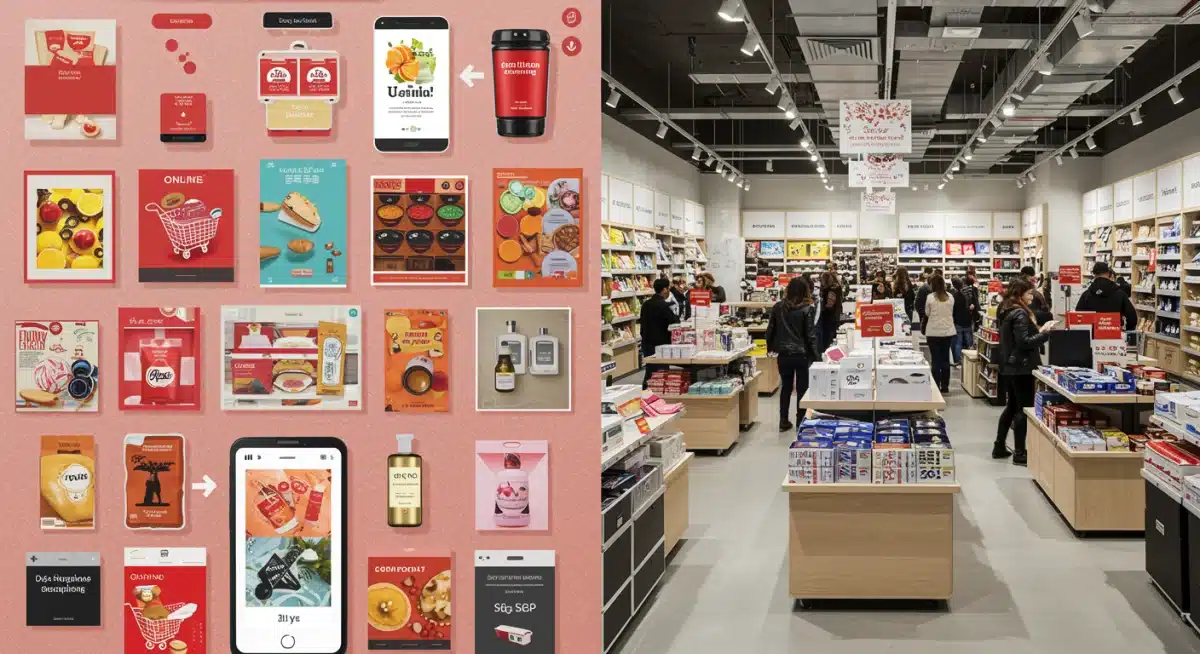
Furthermore, the rising cost of living in many urban centers, coupled with transportation challenges, can make physical shopping trips less appealing or practical. Consumers are increasingly seeking efficient ways to manage their time and resources, which often translates to opting for online delivery or consolidated trips to larger, out-of-town retail parks that offer ample parking and a wider range of services. This combination of technological push and socio-economic pull creates a powerful current that steers consumers away from traditional urban retail corridors.
The Economic Implications for Urban Businesses
A 10% reduction in urban retail foot traffic is not merely an inconvenience; it carries substantial economic implications for businesses operating within these centers. For many brick-and-mortar establishments, foot traffic directly translates to sales, and a sustained decline can significantly impact revenue, profitability, and ultimately, sustainability.
The most immediate effect is a potential decrease in sales volume. Fewer people walking past a storefront means fewer spontaneous purchases and a reduced customer base for impulse buys. This can be particularly challenging for smaller, independent retailers who rely heavily on local patronage and visibility. Larger retailers might have more diversified revenue streams, but even they will feel the pinch, necessitating adjustments to staffing levels, inventory management, and marketing budgets.
Revenue Loss and Operational Adjustments
Businesses facing reduced foot traffic must confront the reality of lower sales, which in turn impacts their ability to cover fixed costs like rent, utilities, and employee wages. Strategic operational adjustments become imperative.
- Reduced Staffing: Optimizing employee schedules and potentially reducing headcount.
- Inventory Management: More precise forecasting to avoid overstocking and reduce holding costs.
- Marketing Reallocation: Shifting budgets from traditional advertising to digital channels.
Beyond direct sales, the decline in foot traffic can have a ripple effect across the urban economy. Vacant storefronts can lead to a decrease in property values and local tax revenues, impacting municipal services. The vibrancy and appeal of urban centers as cultural and social hubs can also diminish if retail diversity declines. This creates a challenging environment where businesses must work harder to attract and retain customers, often requiring significant investment in new technologies, store renovations, or enhanced customer experiences.
Moreover, the increased competition for a shrinking pool of physical shoppers means that customer acquisition costs could rise. Businesses will need to differentiate themselves more effectively, offering compelling reasons for consumers to choose their physical location over the convenience of online shopping. This economic pressure forces innovation but also poses a real threat to businesses unable to adapt quickly or sufficiently.
Strategies for Retailers to Adapt and Thrive
In the face of declining urban retail foot traffic, adaptation is not just an option but a necessity for retailers. Businesses must proactively implement strategies that address the changing consumer landscape, transforming challenges into opportunities for growth and resilience. This requires a multifaceted approach that integrates digital innovation with enhanced physical experiences.
One of the most effective strategies is to embrace an omnichannel approach. This means seamlessly integrating online and offline channels to provide a consistent and convenient customer journey. Services like ‘buy online, pick up in-store’ (BOPIS) or ‘click and collect’ not only drive traffic to physical locations but also offer the speed and flexibility that modern consumers demand. Physical stores can then serve as fulfillment centers, showrooms, or experience hubs, rather than just transaction points.
Embracing Experiential Retail
To draw consumers back into physical spaces, retailers must offer more than just products. Experiential retail focuses on creating memorable and engaging interactions that cannot be replicated online, turning shopping into an event or an outing.
- Interactive Displays: Technology-driven installations that engage customers.
- Workshops and Events: Hosting classes, product launches, or community gatherings.
- Personalized Services: One-on-one consultations, styling sessions, or bespoke product creation.
Furthermore, retailers should leverage data analytics to understand their local customer base better. By analyzing purchasing patterns, preferences, and demographics, businesses can tailor their product offerings, marketing campaigns, and in-store experiences to resonate more deeply with their target audience. This hyper-localization can make a physical store feel more relevant and appealing than a generic online platform.
Investing in technology within the physical store is also crucial. This could include implementing smart mirrors, augmented reality (AR) try-ons, or self-checkout options to enhance efficiency and customer satisfaction. Ultimately, successful adaptation hinges on understanding that the role of the physical store is evolving. It’s no longer just about transactions but about building brand loyalty, offering unique experiences, and serving as a vital touchpoint within a broader, integrated retail ecosystem.
The Rise of Experiential Retail and Community Hubs
As traditional retail foot traffic wanes, the concept of the physical store is undergoing a profound transformation. Retailers are increasingly recognizing that to attract consumers, their brick-and-mortar locations must offer more than just products; they must provide compelling experiences and foster a sense of community. This shift gives rise to experiential retail and the evolution of stores into community hubs.
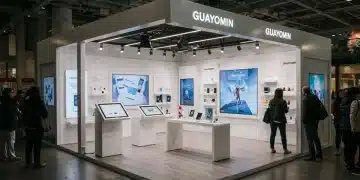
Experiential retail is about creating immersive environments where customers can interact with products, learn, and be entertained. It appeals to the desire for engagement and discovery, turning a shopping trip into a memorable event. This could involve anything from in-store cafes and lounges to interactive product demonstrations, workshops, or even fitness classes. The goal is to provide value beyond the transaction, giving consumers a compelling reason to visit.
Creating Engaging In-Store Experiences
To successfully transition to an experiential model, retailers need to think creatively about how they can transform their spaces into destinations that offer unique value. This often involves a blend of design, technology, and human interaction.
- Sensory Engagement: Utilizing lighting, music, and scent to create a distinct atmosphere.
- Educational Opportunities: Offering classes or demonstrations related to products.
- Brand Storytelling: Designing spaces that immerse customers in the brand’s narrative.
Beyond individual experiences, many retailers are positioning their stores as community hubs. This involves hosting local events, collaborating with other businesses, or creating spaces where people can gather, socialize, and connect. For example, bookstores might host author readings, fashion boutiques might offer styling workshops, or outdoor gear stores might organize local hiking groups. By becoming integral parts of the local community, these stores build deeper relationships with customers, fostering loyalty and driving repeat visits.
This evolution acknowledges that while online shopping fulfills transactional needs efficiently, physical spaces excel at human connection and sensory engagement. By prioritizing unique experiences and cultivating a sense of belonging, urban retailers can counteract the decline in casual foot traffic, drawing in customers who seek more than just a purchase.
Future Outlook: Urban Retail in 2025 and Beyond
Looking beyond 2025, the urban retail landscape will undoubtedly continue its evolution, with the projected 10% decline in retail foot traffic serving as a catalyst for significant innovation and strategic realignment. The future of urban retail is not one of decline but rather one of reinvention, where physical spaces become more specialized, integrated, and experience-driven.
We can expect to see urban centers developing more distinct retail identities. Instead of generic storefronts, there will likely be a greater emphasis on unique, niche boutiques, flagship stores that serve as brand showcases, and highly curated concept stores. These establishments will leverage their physical presence to offer something truly differentiated from online competitors, whether through exclusive products, unparalleled customer service, or immersive brand experiences.
Technological Integration and Smart Cities
The ongoing development of smart city initiatives will also play a role, with urban planning increasingly incorporating technology to enhance the overall consumer experience. This could include improved public transportation, smart parking solutions, and digital wayfinding that seamlessly guides consumers to their desired destinations.
- AI-Powered Analytics: Optimizing store layouts and product placement based on real-time data.
- Augmented Reality: Enhancing in-store product exploration and engagement.
- Seamless Payments: Frictionless checkout experiences, including mobile and contactless options.
Furthermore, the synergy between online and offline will only deepen. Physical stores will increasingly function as integral components of a broader digital ecosystem, supporting online sales through expedited returns, local pickup options, and personalized consultations. The lines between e-commerce and brick-and-mortar will blur, creating a fluid shopping journey where consumers move effortlessly between channels.
Ultimately, the urban retail environment of the future will be a dynamic and adaptive one. Success will depend on a retailer’s ability to be agile, to understand and anticipate consumer needs, and to continuously innovate their offerings. While the challenge of declining foot traffic is real, it also pushes urban retail towards a more exciting, engaging, and resilient future.
| Key Point | Brief Description |
|---|---|
| 10% Decline Projection | Urban retail foot traffic is expected to decrease by 10% by 2025, driven by e-commerce and changing habits. |
| E-commerce & Technology | Digital convenience and mobile shopping are primary drivers shifting consumers away from physical stores. |
| Experiential Retail | Stores must offer unique experiences and community engagement to attract and retain physical visitors. |
| Omnichannel Integration | Seamless blending of online and offline channels is crucial for future retail success and customer satisfaction. |
Frequently Asked Questions About Retail Foot Traffic
The decline is primarily driven by the continued growth of e-commerce, increased remote work, and changing consumer preferences for convenience and digital experiences. Technological advancements make online shopping more appealing, reducing the need for frequent physical store visits in urban areas.
Retailers can counteract this trend by adopting omnichannel strategies, focusing on experiential retail, and transforming stores into community hubs. Offering unique in-store experiences, personalized services, and seamless online-to-offline integration can attract and retain customers.
The economic impacts include potential revenue loss, increased competition, and the necessity for operational adjustments like optimized staffing and inventory. A sustained decline can also affect property values and overall urban vibrancy, prompting businesses to innovate or face sustainability challenges.
No, the decline is not uniform. Certain sectors, such as those relying heavily on impulse buys or routine purchases, may be more affected. Luxury goods, experiential services, and highly specialized stores might fare better if they offer unique value propositions that justify a physical visit.
Technology will be pivotal, enhancing both online and in-store experiences. This includes AI for personalized recommendations, augmented reality for product trials, and seamless payment solutions. Smart city initiatives will also integrate technology to improve overall urban retail accessibility and appeal.
Conclusion
The projected 10% decline in urban retail foot traffic by 2025 undeniably marks a significant inflection point for businesses. Far from signaling the demise of brick-and-mortar, this trend underscores a necessary evolution, pushing retailers to innovate and redefine their value propositions. Success in this new era will hinge on a proactive embrace of omnichannel strategies, a relentless focus on creating compelling experiential retail environments, and a deep understanding of the modern consumer’s integrated digital and physical journey. Urban retail is not disappearing; it is transforming into a more dynamic, engaging, and resilient ecosystem.