Optimize Digital Payment Gateways: 15% Fee Reduction Strategy
To significantly reduce digital payment gateway transaction fees by 15% within six months, businesses must strategically evaluate current providers, negotiate better rates, implement fraud prevention tools, and explore alternative payment methods.
In today’s fast-paced digital economy, managing operational costs is paramount for business sustainability and growth. One often-overlooked area where significant savings can be realized is in payment processing. The goal for many businesses is to achieve a substantial reduction, specifically to optimize payment gateways and reduce transaction fees by 15% in 6 months with these strategies, directly impacting their bottom line. This article will delve into actionable strategies to help businesses accomplish this ambitious yet achievable target.
Understanding Digital Payment Gateway Fees
Digital payment gateways are crucial for any online business, facilitating secure transactions between customers and merchants. However, these services come with a variety of fees that can quickly accumulate, eroding profit margins if not carefully managed. A comprehensive understanding of these charges is the first step toward effective optimization.
These fees typically include per-transaction charges, monthly service fees, setup fees, and potentially additional costs for features like fraud protection or chargeback management. Each component needs to be scrutinized to identify areas for potential savings. Many businesses simply accept the initial rates offered without realizing there’s room for negotiation or alternative solutions.
Common Types of Transaction Fees
Payment gateway fees are not monolithic; they are composed of several distinct charges that vary based on the provider, transaction volume, and even the type of card used. Understanding these individual components is vital for effective cost reduction.
- Interchange Fees: Paid to the card-issuing bank, these are non-negotiable by the gateway but can be influenced by transaction type.
- Assessment Fees: Paid to the card networks (Visa, Mastercard, etc.), these are also largely fixed but vary by network.
- Payment Processor Markup: This is the fee charged by your payment gateway or processor, which is often the most negotiable component.
- Ancillary Fees: These include charges for chargebacks, refunds, currency conversion, and fraud prevention tools.
By dissecting your current fee structure, you can pinpoint exactly where your money is going and which costs are most amenable to reduction. This detailed breakdown provides the necessary leverage for discussions with your current or potential providers, paving the way for substantial savings.
Ultimately, a clear grasp of the various fees associated with digital payment gateways empowers businesses to make informed decisions. It allows for targeted strategies to reduce avoidable costs and negotiate more favorable terms, setting the foundation for achieving that 15% fee reduction within the specified timeframe.
Strategic Evaluation of Current Payment Providers
Before implementing any changes, a thorough evaluation of your existing payment gateway providers is essential. Many businesses stick with their initial provider out of habit or perceived convenience, often without realizing they might be paying inflated rates or missing out on more efficient solutions. This critical step involves analyzing contracts, performance metrics, and the overall value proposition of your current setup.
Begin by consolidating all your payment processing statements for the past 6-12 months. Look for patterns in transaction volume, average transaction value, and the specific fees incurred. This data will serve as your baseline for comparison and negotiation. Understanding your transaction profile is key to identifying potential savings.
Benchmarking Against Industry Standards
Once you have a clear picture of your current costs, research industry benchmarks for payment processing fees relevant to your business size and industry. This gives you a realistic expectation of what competitive rates look like. Many online resources and industry reports provide average fee structures for various business types.
- Compare Per-Transaction Fees: Are you paying more than the industry average for each transaction?
- Assess Monthly Fees: Are there hidden or excessive monthly charges that other providers don’t impose?
- Review Ancillary Charges: How do your chargeback and refund fees compare to competitors?
- Evaluate Value-Added Services: Is your current provider offering essential services like robust fraud protection or advanced analytics at a competitive price, or are these costing you extra without clear benefits?
This benchmarking exercise not only highlights areas where you might be overpaying but also strengthens your position when negotiating with your current provider or exploring new options. Knowledge is power, especially when it comes to financial negotiations.
A strategic evaluation isn’t just about cost; it’s also about service quality, reliability, and the technological capabilities of the gateway. A cheaper gateway that frequently experiences downtime or offers poor customer support could end up costing you more in lost sales and frustrated customers. Therefore, a holistic review is crucial for long-term success.
Negotiating Better Rates and Terms
Many businesses assume payment gateway fees are fixed, but this is often not the case. Negotiation is a powerful tool to reduce costs, especially if you have a significant transaction volume or a strong track record. Approaching your current provider with data and a clear understanding of your needs can lead to substantial savings.
Start by presenting your current transaction volume and average transaction value. Highlight your loyalty as a customer and express your interest in lowering costs to maintain a long-term partnership. Be prepared to discuss specific fee components, not just the overall rate. Focus on the processor markup, as this is where most flexibility lies.
Leveraging Competitive Bids
One of the most effective negotiation tactics is to obtain competitive bids from other payment gateway providers. Having alternative offers in hand demonstrates that you are serious about finding the best value and puts pressure on your current provider to match or beat those offers.
- Gather Multiple Quotes: Contact at least three to five reputable payment gateway providers and request detailed quotes based on your specific transaction profile.
- Highlight Key Features: When comparing bids, look beyond just the fees. Consider features like integration ease, customer support, fraud prevention tools, and reporting capabilities.
- Present Alternatives: Use the most favorable alternative bids as leverage during your negotiation with your current provider. Be clear about what you are looking for and what other companies are offering.
- Be Prepared to Switch: While the goal is often to stay with a familiar provider, be genuinely prepared to switch if your current provider is unwilling to meet competitive rates. This readiness strengthens your negotiating position.
Successful negotiation isn’t just about demanding lower prices; it’s about building a mutually beneficial relationship. Demonstrate your value as a client and articulate how lower fees will enable your business to grow, which in turn benefits the payment gateway provider through increased transaction volume. This collaborative approach often yields the best results.
By actively engaging in negotiation and leveraging competitive bids, businesses can significantly reduce their payment gateway fees. This proactive approach ensures that you are not leaving money on the table and are getting the most competitive rates available in the market.
Implementing Advanced Fraud Prevention Tools
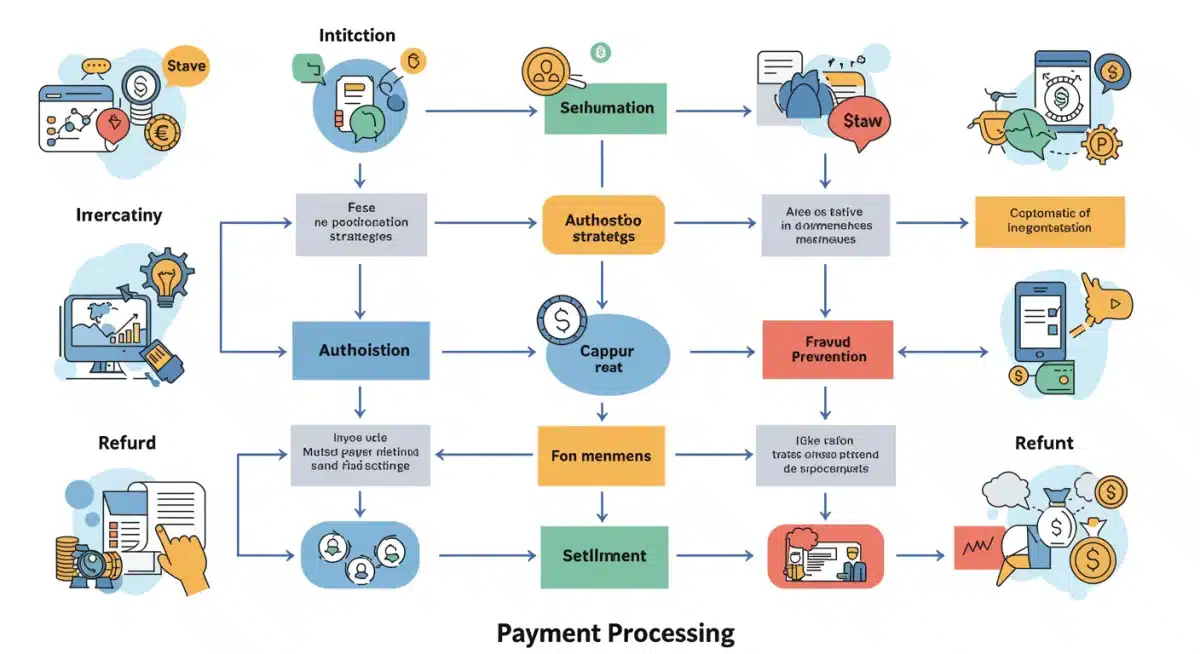
Fraudulent transactions are a significant drain on resources, leading to chargebacks, lost products, and additional processing fees. Investing in advanced fraud prevention tools might seem like an added cost, but it can lead to substantial savings by reducing chargebacks and associated penalties. This is a critical component of any strategy to optimize payment gateways effectively.
Effective fraud prevention goes beyond basic address verification (AVS) and Card Verification Value (CVV) checks. It involves leveraging machine learning and artificial intelligence to analyze transaction patterns, identify suspicious activities, and flag high-risk transactions before they are processed. Proactive fraud detection minimizes financial losses and protects your business’s reputation.
Choosing the Right Fraud Prevention Solutions
The market offers a wide array of fraud prevention solutions, each with its strengths. Selecting the right tools depends on your business’s specific risk profile, transaction volume, and the types of fraud you are most vulnerable to. It’s crucial to integrate solutions that work seamlessly with your existing payment gateway.
- Real-time Transaction Monitoring: Solutions that analyze transactions as they occur, identifying anomalies and potential fraud indicators instantly.
- Behavioral Analytics: Tools that track customer behavior patterns to detect deviations that might signal fraudulent activity.
- Device Fingerprinting: Technology that identifies and tracks devices used for transactions, helping to block repeat fraudsters.
- Chargeback Management Services: While prevention is key, these services help manage and dispute chargebacks effectively, recovering lost revenue.
By strategically implementing these tools, businesses can significantly reduce their exposure to fraud-related costs. The initial investment in these technologies is often recouped quickly through reduced chargebacks, lower fraud losses, and fewer operational headaches. It’s a proactive measure that safeguards your profits and enhances customer trust.
In conclusion, incorporating advanced fraud prevention tools is not merely a defensive strategy but a vital part of optimizing payment gateway costs. By minimizing fraudulent transactions and chargebacks, businesses can realize significant savings, contributing directly to the 15% fee reduction goal.
Exploring Alternative Payment Methods and Gateways
While traditional credit card processing remains dominant, a growing number of alternative payment methods offer lower transaction fees and cater to diverse customer preferences. Diversifying your payment options can not only reduce costs but also expand your customer base and improve conversion rates. This diversification is a smart move to further optimize payment gateways.
Consider offering options like ACH transfers, digital wallets (e.g., PayPal, Apple Pay, Google Pay), and even cryptocurrency payments, depending on your target audience and business model. Each of these methods comes with its own fee structure, which can often be more favorable than standard credit card rates, especially for high-value transactions.
Advantages of Diversifying Payment Options
Beyond cost reduction, offering a variety of payment methods enhances the customer experience, making it easier for them to complete purchases. This can lead to increased sales and customer loyalty. The key is to find a balance between offering choice and managing the complexity of multiple integrations.
- Lower Transaction Costs: ACH transfers, for instance, typically have much lower per-transaction fees compared to credit cards.
- Reduced Chargeback Risk: Some alternative methods, like certain digital wallets, offer robust buyer protection, which can also reduce merchant chargeback liability.
- Expanded Customer Reach: Catering to customers who prefer or exclusively use alternative payment methods can open up new markets.
- Improved Conversion Rates: Offering preferred payment options can reduce cart abandonment rates, leading to more completed sales.
When exploring new payment methods, it’s also an opportune time to evaluate alternative payment gateways. Some gateways specialize in certain payment types or industries and may offer more competitive rates or tailored services. A multi-gateway strategy can provide redundancy and allow you to route transactions through the most cost-effective channel based on the payment method used.
By strategically integrating alternative payment methods and exploring specialized gateways, businesses can significantly reduce their overall processing costs. This approach not only helps in achieving the 15% fee reduction but also enhances operational flexibility and customer satisfaction.
Continuous Monitoring and Optimization
Achieving a 15% reduction in digital payment gateway fees within six months is an excellent achievement, but the work doesn’t stop there. The digital payment landscape is constantly evolving, with new technologies, fee structures, and providers emerging regularly. Continuous monitoring and optimization are crucial to maintain cost efficiency and adapt to changes.
Regularly review your payment processing statements, ideally on a monthly basis, to ensure that the negotiated rates are being applied correctly and that there are no new or unexpected fees. Analyze your transaction data for trends that might indicate further optimization opportunities, such as shifts in customer payment preferences or changes in average transaction value.
Key Metrics for Ongoing Monitoring
To effectively monitor your payment processing costs, establish a set of key performance indicators (KPIs) that provide insights into your financial health. These metrics will help you quickly identify any deviations from your cost reduction goals.
- Effective Rate: Calculate the total fees paid as a percentage of total transaction volume. Monitor this rate closely for any increases.
- Chargeback Ratio: Keep track of the percentage of transactions that result in chargebacks. A rising ratio indicates potential fraud issues or customer service problems.
- Approval Rates: Monitor your transaction approval rates. Low approval rates can indicate issues with your gateway, fraud filters, or even customer data entry.
- Cost per Transaction: Calculate the average cost incurred for each transaction processed. This helps you understand the efficiency of your current setup.
Beyond metrics, stay informed about industry news and trends. New regulations, payment technologies, or competitive offerings could present opportunities for further savings or improved services. Periodically re-evaluate your payment gateway providers, perhaps annually, to ensure you are still getting the best value and technology available.
In conclusion, continuous monitoring and optimization are not merely maintenance tasks; they are integral to sustaining and even exceeding your initial cost reduction goals. By staying vigilant and proactive, businesses can ensure their payment processing remains efficient and economical in the long term.
Future-Proofing Your Payment Strategy
The digital payments sector is characterized by rapid innovation and evolving consumer expectations. To maintain a competitive edge and continue optimizing costs, businesses must adopt a forward-thinking approach to their payment strategy. Future-proofing involves anticipating changes, embracing new technologies, and building flexibility into your payment ecosystem.
Consider the long-term implications of your payment choices. Are your current gateways scalable? Can they easily integrate with emerging payment methods or new e-commerce platforms? A robust payment infrastructure should be adaptable, allowing you to seamlessly incorporate innovations without major overhauls or prohibitive costs.
Embracing Emerging Payment Technologies
The landscape of payment technologies is constantly shifting. Staying ahead of these trends can offer significant advantages, from lower transaction costs to enhanced customer experiences. Businesses that are quick to adopt secure and efficient new methods can gain a competitive edge.
- Tap into Open Banking: Explore opportunities presented by open banking initiatives, which can facilitate direct bank transfers with lower fees and enhanced security.
- Consider Blockchain and Cryptocurrencies: While still nascent for mainstream retail, understanding the potential of blockchain for cross-border payments and reduced intermediaries can position you for future savings.
- Leverage AI and Machine Learning: Beyond fraud detection, AI can optimize transaction routing, predict payment failures, and personalize payment experiences.
- Investigate Request-to-Pay Services: These services offer customers greater control and flexibility over their payments, potentially reducing late payments and improving cash flow.
Furthermore, building strong relationships with your payment gateway providers is crucial. Open communication allows you to stay informed about their upcoming features, pricing changes, and opportunities for pilot programs that could benefit your business. A collaborative partnership can lead to custom solutions and favorable terms.
Future-proofing your payment strategy is about more than just cost savings; it’s about building a resilient, adaptable, and customer-centric payment ecosystem. By proactively engaging with emerging technologies and maintaining strategic partnerships, businesses can ensure their payment processing remains efficient, secure, and aligned with future market demands, securing long-term profitability.
| Key Strategy | Brief Description |
|---|---|
| Evaluate Providers | Analyze current fees and performance against industry benchmarks to identify overspending. |
| Negotiate Rates | Leverage transaction volume and competitive bids to secure lower processing fees. |
| Fraud Prevention | Implement advanced tools to reduce chargebacks and associated fraud-related costs. |
| Diversify Payments | Offer alternative payment methods with lower fees and expand customer reach. |
Frequently Asked Questions About Payment Gateway Optimization
Digital payment gateway fees typically include interchange fees (to card-issuing banks), assessment fees (to card networks), and processor markups (to the gateway itself). Additionally, there are often ancillary fees for chargebacks, refunds, and other services. Understanding each component is crucial for effective cost reduction strategies.
To negotiate effectively, compile your transaction volume data and obtain competitive bids from other providers. Present this information to your current gateway, highlighting your loyalty and willingness to explore alternatives. Focus on negotiating the processor markup, which offers the most flexibility for adjustments.
Advanced fraud prevention tools significantly reduce chargebacks, which are costly due to lost revenue, products, and additional fees. By preventing fraudulent transactions before they occur, businesses avoid these expenses, thereby contributing directly to lower overall payment processing costs and improved profitability.
Yes, many alternative payment methods, such as ACH transfers and certain digital wallets, often have lower per-transaction fees compared to traditional credit card processing. Diversifying your payment options can lead to significant savings, especially for high-value transactions, while also enhancing customer experience and choice.
It is advisable to review your payment gateway agreements and fees at least annually, and continuously monitor your monthly statements. The payment landscape changes rapidly, and regular evaluations ensure you are always on the most competitive terms and benefiting from the latest efficiency-boosting technologies.
Conclusion
Achieving a 15% reduction in digital payment gateway transaction fees within six months is an ambitious yet entirely attainable goal for businesses committed to strategic optimization. By meticulously evaluating current providers, engaging in informed negotiations, deploying advanced fraud prevention, diversifying payment methods, and committing to continuous monitoring, companies can significantly enhance their financial health. These interconnected strategies not only lead to substantial cost savings but also foster a more robust, secure, and adaptable payment ecosystem, ready to meet the demands of the evolving digital commerce landscape.