Mastering Digital Payment Chargebacks: Recover 90% of Disputes

Effectively managing digital payment chargebacks is crucial for business sustainability, as proactive strategies can significantly reduce financial losses and enhance customer trust.
In the dynamic world of e-commerce, efficiently navigating chargebacks in digital payments: 5 proven strategies to recover 90% of disputed transactions is not just an advantage; it’s a necessity for survival and growth. Chargebacks, while intended to protect consumers, often pose significant challenges for merchants, leading to revenue loss, operational complexities, and potential damage to reputation. Understanding the intricate mechanisms behind these disputes and implementing robust preventative and reactive measures can transform a potential threat into an opportunity for stronger financial health.
Understanding the Chargeback Landscape in Digital Payments
Chargebacks are a critical aspect of digital payments, representing a consumer protection mechanism that allows cardholders to reverse a transaction directly through their issuing bank. While beneficial for consumers, they can be detrimental to merchants, impacting revenue and operational efficiency. Comprehending the various types and reasons behind chargebacks is the first step toward effective management.
The digital payment ecosystem is complex, with transactions often involving multiple parties: the cardholder, the merchant, the acquiring bank, and the issuing bank. When a cardholder disputes a charge, the process initiates a chain reaction that can be time-consuming and costly for merchants. Common reasons for chargebacks include fraud, service not rendered, product not as described, or technical errors. Each reason requires a distinct approach for resolution.
Common Chargeback Types and Their Implications
Several categories of chargebacks exist, each carrying its own set of challenges and requiring specific documentation for a successful dispute. Merchants must be adept at identifying these types to tailor their response effectively.
- Friendly Fraud: This occurs when a cardholder makes a legitimate purchase but then disputes the charge, often due to forgetfulness, buyer’s remorse, or an attempt to get goods or services for free.
- Criminal Fraud: This involves transactions made by unauthorized individuals using stolen card information. These are typically harder to dispute successfully without robust fraud detection systems.
- Merchant Error: Sometimes, chargebacks arise from mistakes made by the merchant, such as incorrect billing, duplicate charges, or failure to deliver goods/services as promised.
Understanding these distinctions is crucial for building a strong defense. The implications extend beyond immediate financial loss, affecting merchant account health, processing fees, and even the ability to process future transactions.
Strategy 1: Robust Fraud Prevention and Detection Systems
Implementing sophisticated fraud prevention and detection systems is paramount for any business engaged in digital payments. Proactive measures can significantly reduce the incidence of fraudulent chargebacks, protecting both revenue and reputation. These systems leverage advanced technologies to identify and flag suspicious transactions before they become disputes.
Modern fraud detection often involves a multi-layered approach, combining various tools and techniques to create a comprehensive defense. This includes real-time transaction monitoring, device fingerprinting, and behavioral analytics. The goal is to identify patterns indicative of fraud while minimizing false positives that could impact legitimate customer transactions.
Leveraging Advanced Technologies for Fraud Mitigation
The digital landscape is constantly evolving, and so too are the methods employed by fraudsters. Merchants must stay ahead by adopting cutting-edge technologies that offer predictive capabilities and adapt to new threats.
- AI and Machine Learning: These technologies analyze vast amounts of data to identify unusual transaction patterns, flagging potential fraud with high accuracy. They learn from past transactions, continuously improving their detection capabilities.
- 3D Secure 2.0: This enhanced authentication protocol adds an extra layer of security for card-not-present transactions, requiring cardholders to verify their identity with their issuing bank during checkout.
- Velocity Checks and Geolocation: Monitoring the frequency of transactions from a single card or IP address, and verifying the location of the transaction against the cardholder’s billing address, can quickly identify suspicious activity.
By investing in and properly configuring these systems, businesses can significantly reduce their exposure to fraudulent chargebacks, laying a strong foundation for financial security. Regular review and updates of these systems are also essential to maintain their effectiveness against emerging threats.
Strategy 2: Enhanced Customer Communication and Service
Often, chargebacks stem from customer dissatisfaction or misunderstanding rather than outright fraud. Excellent customer communication and service can preempt many disputes, turning potential chargebacks into resolved inquiries. Clear, accessible, and responsive support channels are vital for addressing issues before they escalate.
Proactive communication throughout the customer journey can also play a significant role. This includes sending clear order confirmations, shipping updates, and easy-to-understand billing descriptors. When customers know what to expect and can easily track their purchases, their likelihood of initiating a chargeback due to confusion decreases significantly.
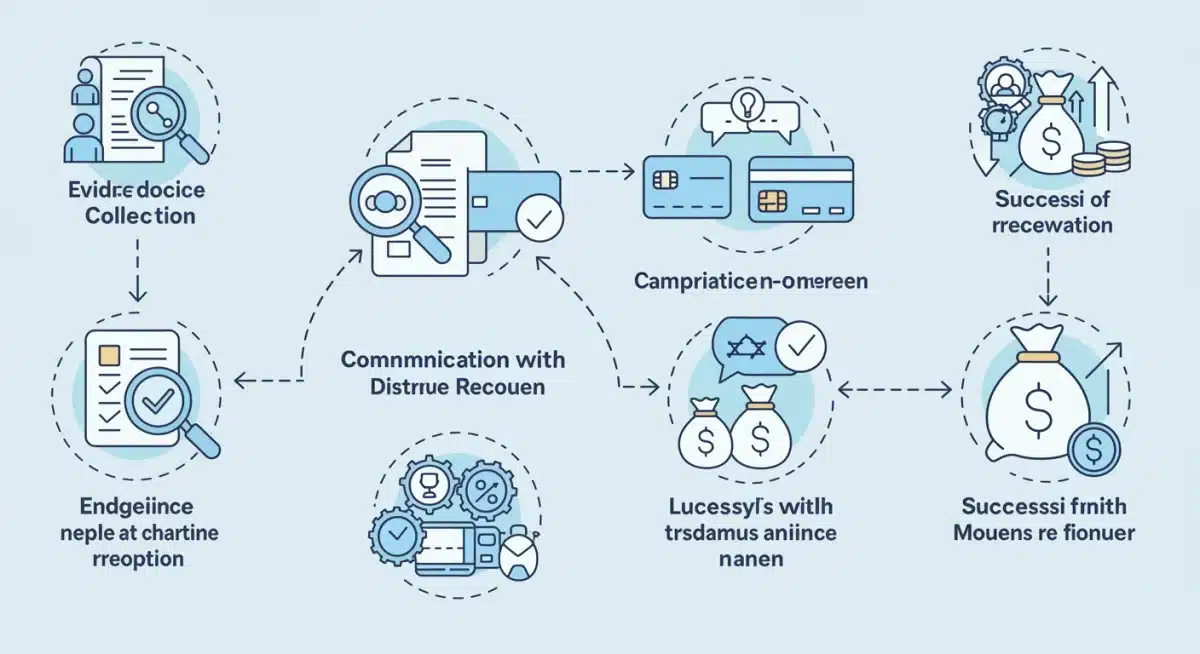
Proactive Measures to Improve Customer Satisfaction
Beyond simply reacting to customer issues, businesses should implement strategies that actively enhance the customer experience, thereby reducing the triggers for chargebacks. This involves transparency, accessibility, and efficiency.
- Clear Product Descriptions: Ensure product and service descriptions are accurate and comprehensive, managing customer expectations effectively. Misleading descriptions are a common cause of ‘item not as described’ chargebacks.
- Accessible Support: Provide multiple, easily accessible customer support channels (phone, email, chat) with prompt response times. Empower support staff to resolve issues quickly and satisfactorily.
- Transparent Policies: Clearly communicate shipping, return, and refund policies. Make them easy to find on your website and ensure they are fair and customer-friendly.
By prioritizing customer satisfaction and establishing clear lines of communication, merchants can significantly reduce the number of preventable chargebacks, fostering trust and loyalty among their customer base.
Strategy 3: Meticulous Transaction Documentation and Evidence Collection
When a chargeback does occur, the ability to present compelling evidence is crucial for a successful dispute resolution. Meticulous documentation of every transaction and customer interaction can be the difference between recovering funds and incurring a loss. This strategy emphasizes the importance of a systematic approach to data retention.
The key is to collect and organize all relevant information from the moment of purchase through delivery and beyond. This includes not only transactional data but also communications, proof of delivery, and any terms and conditions agreed upon by the customer. A comprehensive dossier for each transaction significantly strengthens a merchant’s position during the chargeback representment process.
Essential Documents for Chargeback Representment
To effectively challenge a chargeback, merchants need to provide specific types of evidence that directly refute the cardholder’s claim. The more complete and relevant the documentation, the higher the chance of success.
- Proof of Purchase: Order confirmation emails, receipts, and invoices showing the date, time, item(s) purchased, and amount.
- Proof of Delivery/Service: Shipping tracking numbers, delivery confirmation, signed delivery receipts, or evidence of service provision (e.g., login records for digital goods).
- Customer Communication: Emails, chat logs, or call recordings that demonstrate customer interaction, consent, or resolution attempts.
- Terms and Conditions Acceptance: Evidence that the customer agreed to the merchant’s terms and conditions, especially regarding returns, refunds, and cancellation policies.
Having a well-organized system for storing and retrieving this information will drastically improve the efficiency and success rate of chargeback representments, allowing businesses to recover a higher percentage of disputed transactions.
Strategy 4: Strategic Representment and Dispute Management
Once a chargeback is initiated, the merchant enters the representment phase, a critical period where they present their case to the issuing bank. This is not merely about submitting documents; it’s about crafting a compelling narrative supported by irrefutable evidence. A strategic approach to representment can significantly improve recovery rates.
Effective dispute management involves understanding the specific reason code for each chargeback and tailoring the response accordingly. Generic responses are often ineffective. Instead, merchants should analyze the details of the dispute and compile evidence that directly addresses the cardholder’s claim, demonstrating the legitimacy of the transaction.
Best Practices for Winning Chargeback Disputes
Winning a chargeback dispute requires more than just submitting evidence; it demands a tactical approach and a deep understanding of card network rules. Adhering to best practices can turn the tide in the merchant’s favor.
- Respond Promptly: Time is of the essence. Respond to chargeback notifications as quickly as possible, adhering strictly to the deadlines set by card networks. Delayed responses often lead to automatic losses.
- Address the Reason Code Directly: Each chargeback comes with a reason code. Your evidence and narrative must directly counter the specific reason cited by the cardholder.
- Create a Compelling Narrative: Don’t just submit documents; explain how each piece of evidence supports your case. A clear, concise summary that ties all the evidence together can be highly persuasive.
By adopting a strategic and meticulous approach to representment, businesses can significantly increase their chances of overturning chargebacks and recovering their rightful revenue, turning a challenging process into a manageable one.
Strategy 5: Continuous Monitoring and Analysis of Chargeback Data
The fight against chargebacks is an ongoing process, not a one-time fix. Continuous monitoring and analysis of chargeback data are essential for identifying trends, understanding root causes, and refining prevention strategies. This strategy emphasizes a data-driven approach to chargeback management.
By regularly reviewing chargeback rates, common reason codes, and the effectiveness of dispute resolutions, merchants can gain valuable insights into vulnerabilities in their processes. This analytical approach allows for iterative improvements, leading to lower chargeback rates over time and a more resilient business model.
Key Metrics and Insights for Chargeback Optimization
To effectively monitor and analyze chargeback data, businesses should focus on specific metrics and draw actionable insights that inform future strategies. This proactive stance is key to long-term success.
- Chargeback Ratio: Track your total chargebacks against your total transactions. A high ratio can indicate underlying issues or put your merchant account at risk.
- Reason Code Breakdown: Analyze which reason codes are most prevalent. This helps pinpoint specific areas for improvement, such as enhancing fraud detection for certain types of fraud or improving product descriptions for ‘not as described’ claims.
- Representment Win Rate: Monitor the success rate of your chargeback disputes. A low win rate suggests your evidence or strategy might need refinement.
Through continuous monitoring and analysis, businesses can transform chargeback data into actionable intelligence, enabling them to proactively address weaknesses, optimize their payment processes, and ultimately achieve higher recovery rates for disputed transactions. This ongoing vigilance is a cornerstone of effective digital payment management.
| Key Strategy | Brief Description |
|---|---|
| Fraud Prevention | Implement AI/ML and 3D Secure to detect and prevent fraudulent transactions proactively. |
| Customer Service | Enhance communication and support to resolve issues quickly, reducing preventable disputes. |
| Documentation | Maintain meticulous records of all transactions and customer interactions for strong evidence. |
| Data Analysis | Continuously monitor chargeback data to identify trends and refine prevention strategies. |
Frequently Asked Questions About Digital Payment Chargebacks
A digital payment chargeback is a reversal of funds initiated by a cardholder’s bank, typically due to a disputed transaction. It’s a consumer protection mechanism designed to safeguard against fraud or merchant errors. For merchants, it means losing revenue and possibly incurring additional fees.
Preventing friendly fraud involves clear communication, transparent policies, and strong proof of delivery. Ensuring customers recognize transaction descriptors on their statements and offering easy refund processes can also deter them from initiating chargebacks out of convenience or confusion.
The most effective evidence includes proof of purchase, such as order confirmations and invoices, proof of delivery or service completion, and records of customer communication. Any data showing the cardholder’s consent and satisfaction with the transaction strengthens your case significantly.
The timeframe for resolving a chargeback can vary widely, typically ranging from a few weeks to several months. It depends on the card network rules, the complexity of the dispute, and how quickly both the merchant and the cardholder’s bank respond to requests for information.
Continuous monitoring provides insights into patterns and root causes of chargebacks, allowing merchants to identify vulnerabilities and refine their prevention strategies. It helps in optimizing fraud detection systems, improving customer service, and enhancing overall financial health by reducing future disputes.
Conclusion
Successfully navigating chargebacks in digital payments: 5 proven strategies to recover 90% of disputed transactions is an achievable goal for businesses committed to implementing robust, data-driven strategies. By prioritizing fraud prevention, fostering exceptional customer service, meticulously documenting transactions, adopting strategic representment tactics, and continuously analyzing chargeback data, merchants can dramatically reduce their financial exposure and operational burden. These proactive measures not only safeguard revenue but also build a foundation of trust and reliability with customers, ensuring long-term success in the competitive digital commerce landscape. The journey to chargeback resilience is ongoing, demanding vigilance and adaptability, but the rewards of a secure and profitable payment ecosystem are well worth the effort.