Mobile Wallet Adoption Trends: 60% U.S. Consumers Shift Payments by 2025
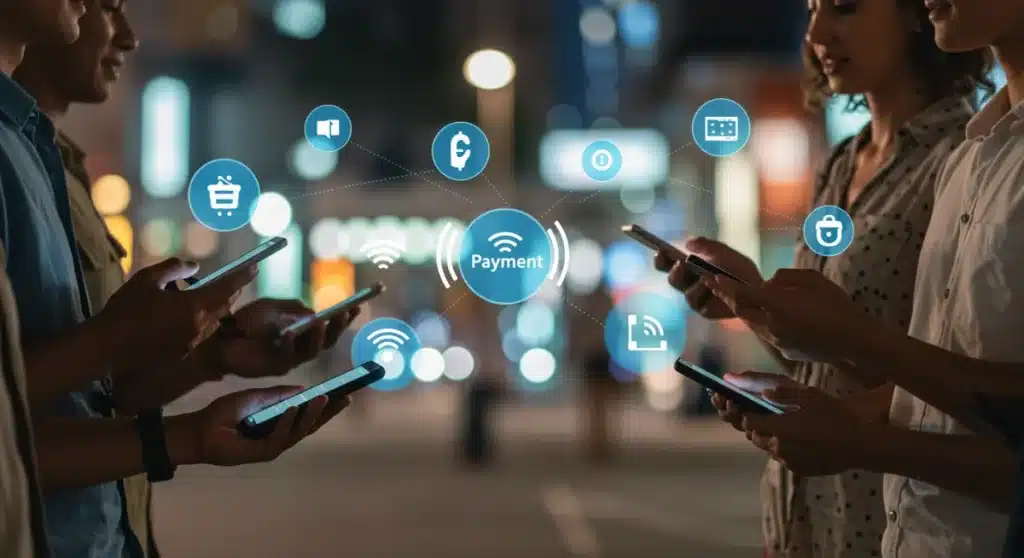
Mobile wallet adoption is rapidly increasing in the U.S., with projections indicating 60% of consumers will utilize these platforms for payments by 2025, driven by convenience, security, and evolving digital lifestyles.
The landscape of consumer payments in the United States is undergoing a significant transformation, with mobile wallet adoption trends pointing towards a major shift in how transactions are completed. By 2025, a substantial 60% of U.S. consumers are expected to embrace mobile wallets, fundamentally altering traditional payment habits. This evolution is not merely a technological upgrade but a profound change in consumer behavior, driven by convenience, security, and the pervasive integration of digital solutions into daily life.
The rise of mobile wallets: a paradigm shift
Mobile wallets, once considered a niche technology, have rapidly evolved into a mainstream payment method. Their ascent is attributed to a confluence of factors, including the widespread ownership of smartphones, enhanced security features, and the seamless integration with various retail and online platforms. This shift represents a fundamental change from physical cards and cash to digital equivalents, offering users unparalleled ease and speed in transactions.
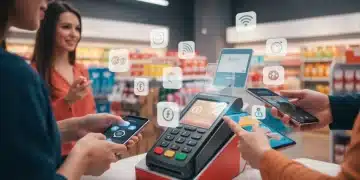
The convenience offered by mobile wallets is undeniable. Users can store multiple payment methods in one secure digital location, eliminating the need to carry numerous cards. This simplification extends to the checkout process, where a quick tap or scan completes a transaction, significantly reducing wait times and friction. Furthermore, the ability to integrate loyalty programs and digital coupons directly into the wallet enhances the overall value proposition for consumers.
Key drivers of adoption
- Convenience: Faster transactions and reduced need for physical cards.
- Security: Tokenization and biometric authentication offer enhanced protection.
- Integration: Seamless use across online, in-app, and in-store purchases.
- Loyalty programs: Easy access to rewards and discounts directly from the wallet.
Moreover, the COVID-19 pandemic accelerated the adoption of contactless payments, with mobile wallets playing a crucial role. Consumers sought safer, more hygienic ways to transact, and mobile payments provided an ideal solution. This period of rapid change solidified mobile wallets’ position as a preferred payment method for many, fostering new habits that are likely to persist long after the pandemic subsides. The ongoing improvements in user experience and the continuous expansion of acceptance points further cement their growing dominance in the payment ecosystem.
Security and trust: foundational elements for growth
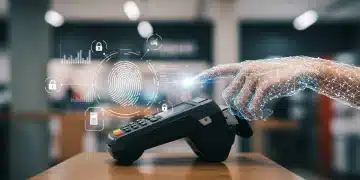
One of the primary concerns for consumers when adopting new payment technologies is security. Mobile wallets have addressed these anxieties head-on, implementing advanced security measures that often surpass those of traditional payment methods. Features such as tokenization, encryption, and biometric authentication (fingerprint or facial recognition) provide robust protection against fraud and unauthorized access, building essential trust among users.
Tokenization, for instance, replaces sensitive card details with a unique, encrypted token for each transaction. This means that if a merchant’s system is breached, actual card numbers are not exposed, significantly mitigating the risk of data compromise. This layer of security is a major draw for consumers who are increasingly wary of data breaches and identity theft. The psychological comfort derived from knowing their financial information is well-protected plays a critical role in encouraging widespread adoption.
Advanced security features
- Tokenization: Replaces actual card numbers with unique, encrypted tokens.
- Encryption: Protects data during transmission and storage.
- Biometric authentication: Fingerprint or facial recognition for secure access.
- Fraud monitoring: Real-time detection and prevention of suspicious activities.
Building trust goes beyond just technical security. It also involves transparent policies, reliable customer support, and consistent performance. Payment providers and mobile wallet developers are continually investing in these areas to ensure a seamless and secure user experience. As consumers become more familiar with and confident in these security protocols, their willingness to integrate mobile wallets into more aspects of their financial lives will only grow. This continuous reinforcement of security and trust is vital for sustaining the momentum of mobile wallet adoption.
The impact of evolving consumer behavior
Consumer behavior is a dynamic force, constantly shaped by technological advancements, societal shifts, and personal preferences. The surge in mobile wallet adoption is a clear indicator of evolving expectations, where speed, convenience, and digital integration are paramount. Modern consumers, particularly younger generations, are digitally native and expect their financial tools to reflect the same level of sophistication and ease of use as their communication and entertainment platforms.
The expectation of instant gratification also plays a significant role. Mobile wallets facilitate quicker transactions, reducing the cognitive load associated with traditional payment methods. This psychological benefit contributes to a more positive shopping experience, encouraging repeat use. Furthermore, the ability to track spending, manage budgets, and receive real-time notifications directly through the mobile wallet app provides a level of financial control that resonates with budget-conscious consumers.
This behavioral shift is not confined to urban centers or tech-savvy individuals; it’s a broad trend permeating various demographics. As more businesses, both large and small, adopt mobile payment terminals, the network effect further accelerates adoption. Consumers are increasingly finding that mobile wallets are not just an alternative but often the most efficient and preferred way to pay, making their use a natural extension of their digital lifestyles.
Challenges and opportunities for wider acceptance
Despite the rapid growth, the path to universal mobile wallet adoption is not without its challenges. One significant hurdle remains the inconsistent acceptance of mobile payments across all merchants. While major retailers have largely embraced the technology, many smaller businesses and older establishments still rely on traditional POS systems, creating a fragmented experience for consumers.
Another challenge lies in consumer education. While younger demographics are quick to adapt, older generations may require more guidance and reassurance regarding the security and functionality of mobile wallets. Overcoming these barriers requires concerted efforts from payment providers, financial institutions, and retailers to invest in infrastructure, marketing, and user-friendly interfaces that cater to a diverse user base.
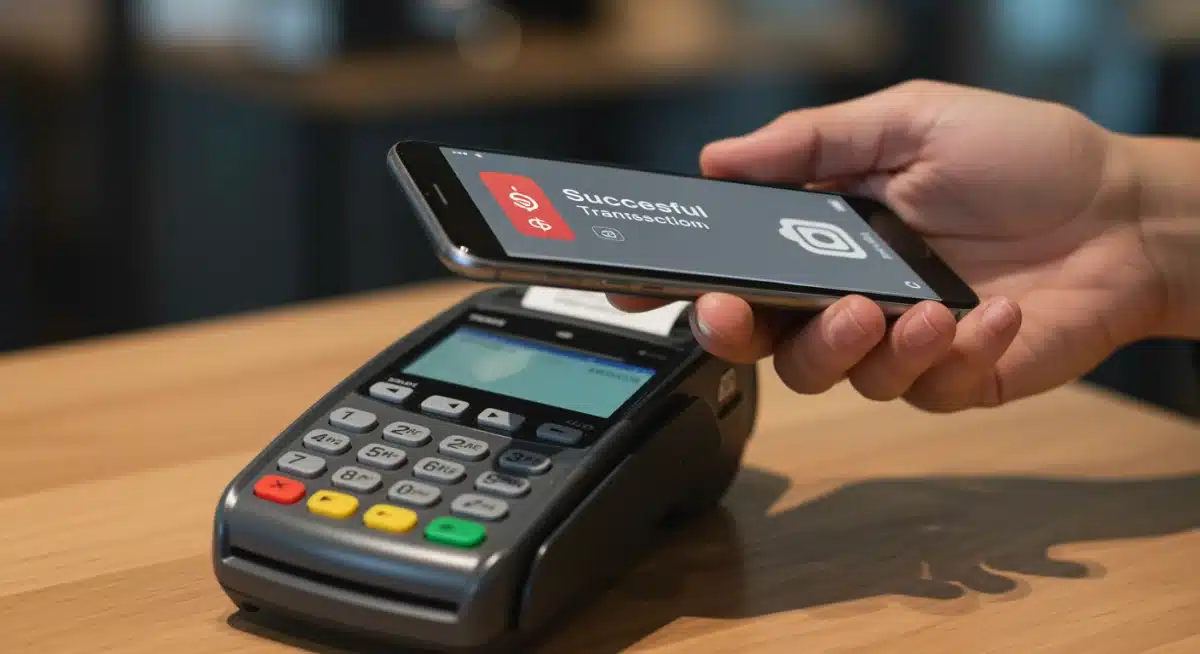

Overcoming adoption barriers
- Universal acceptance: Expanding mobile payment infrastructure to all merchant types.
- Consumer education: Providing clear information on benefits and security to all age groups.
- Interoperability: Ensuring seamless functionality across different devices and platforms.
- Incentives: Offering rewards or discounts for using mobile wallets.
The opportunities, however, far outweigh the challenges. As mobile wallet technology continues to mature, we can expect even greater integration with other digital services, such as public transport, healthcare, and government services. This expansion will create new use cases and further embed mobile wallets into the fabric of daily life. The potential for personalized offers, advanced analytics for businesses, and enhanced financial inclusion are just some of the promising avenues for future growth.
The role of technology in accelerating mobile payments
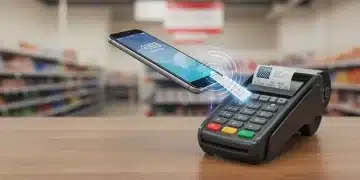
Technological advancements are at the heart of the mobile wallet revolution. Innovations in Near Field Communication (NFC), Quick Response (QR) codes, and secure element technology have made mobile payments both efficient and reliable. These underlying technologies enable the seamless and secure exchange of payment information between devices and terminals, forming the backbone of the mobile wallet ecosystem.
Beyond the core payment functionality, artificial intelligence (AI) and machine learning (ML) are beginning to play an increasingly important role. These technologies enhance fraud detection capabilities, personalize user experiences by offering tailored recommendations, and streamline customer support. The continuous evolution of smartphone hardware, with more powerful processors and integrated security chips, also contributes to the robustness and speed of mobile wallet transactions.
Furthermore, the development of wearable technology, such as smartwatches, is extending the reach of mobile payments beyond smartphones. These devices offer an even more convenient way to pay, further reducing friction and integrating payments more deeply into daily activities. The synergistic relationship between hardware and software innovation ensures that mobile wallets will continue to evolve, offering new functionalities and enhancing user experience.
Future outlook: what to expect by 2025 and beyond
The projection of 60% mobile wallet adoption by 2025 in the U.S. is not merely a statistical benchmark; it signifies a pivotal moment in the evolution of digital payments. This trend is expected to continue its upward trajectory, driven by ongoing technological innovation, increasing consumer comfort, and a growing ecosystem of supporting infrastructure.
Looking beyond 2025, we can anticipate further integration of mobile wallets into broader digital identities. Imagine a future where your mobile wallet not only handles payments but also serves as your digital ID, health pass, and even car key. The convergence of these functionalities will create an incredibly powerful and convenient tool, making the smartphone an indispensable hub for managing various aspects of daily life.
Moreover, the rise of central bank digital currencies (CBDCs) and other blockchain-based payment solutions could further reshape the mobile wallet landscape. While still in nascent stages, these technologies have the potential to offer new levels of efficiency, security, and programmability to digital payments, which mobile wallets are perfectly positioned to leverage. The future promises a payments environment that is more interconnected, intelligent, and tailored to individual needs than ever before.
| Key Trend | Brief Description |
|---|---|
| Accelerated Adoption | 60% of U.S. consumers expected to use mobile wallets by 2025, driven by convenience and security. |
| Enhanced Security | Tokenization, encryption, and biometrics build consumer trust and protect data. |
| Behavioral Shift | Consumers prioritize speed, convenience, and digital integration in payment methods. |
| Technological Integration | AI, ML, and wearables are expanding mobile wallet functionalities and reach. |
Frequently asked questions about mobile wallet adoption
The primary drivers are convenience, enhanced security features like tokenization and biometrics, and the seamless integration with online and in-store purchasing. The COVID-19 pandemic also accelerated contactless payment acceptance, solidifying mobile wallets as a preferred method for many consumers.
Mobile wallets often offer superior security through tokenization, which encrypts actual card details, and biometric authentication (fingerprint/facial recognition). This multi-layered approach makes them highly resistant to fraud and unauthorized access, often more secure than carrying physical cards.
Key challenges include inconsistent merchant acceptance, particularly among smaller businesses, and the need for greater consumer education, especially for older demographics. Overcoming these requires investment in infrastructure and clear communication about benefits and ease of use.
While mobile wallets are rapidly gaining ground, it’s unlikely they will completely replace physical cards in the immediate future. Many consumers still prefer physical cards for certain situations, and universal acceptance of mobile payments is not yet achieved. They will likely coexist for some time.
Technology will drive further innovation through AI and machine learning for personalization and fraud detection. Wearable technology will expand payment options, and future integration with digital identities and potentially central bank digital currencies will broaden their scope and functionality significantly.
Conclusion
The trajectory of mobile wallet adoption trends in the U.S. clearly indicates a monumental shift in consumer payment behavior. With 60% of U.S. consumers projected to be utilizing mobile wallets by 2025, the digital payment landscape is undergoing a profound transformation driven by unparalleled convenience, robust security, and continuous technological innovation. This evolution is not just about new ways to pay; it represents a deeper integration of financial services into our digital lives, promising a future of more seamless, secure, and personalized transactions. Businesses and consumers alike must adapt to these changes, embracing the opportunities presented by this increasingly digital payment ecosystem.