IoT for Retail: 2025 US Blueprint for 15% Higher Customer Satisfaction
Implementing IoT for enhanced customer service offers US retailers a strategic blueprint to achieve 15% higher satisfaction scores by 2025, leveraging real-time data and personalized experiences.
Are you ready to redefine customer engagement and satisfaction in the competitive US retail landscape? The blueprint for achieving a remarkable 15% higher satisfaction score by 2025 hinges on successfully implementing IoT for enhanced customer service. This isn’t just about adopting new gadgets; it’s about fundamentally transforming how retailers understand, interact with, and serve their customers.
The IoT revolution in US retail: setting the stage for 2025
The retail sector in the United States is constantly evolving, driven by consumer expectations for speed, personalization, and seamless experiences. The Internet of Things (IoT) presents a powerful opportunity to meet these demands head-on. By connecting physical objects to the internet, IoT enables retailers to gather unprecedented amounts of data, creating intelligent environments that anticipate customer needs and streamline operations.
This technological shift is not merely incremental; it’s a foundational change that impacts every touchpoint of the customer journey. From smart shelves that track inventory in real-time to personalized digital signage, IoT devices are becoming the silent architects of superior service. Retailers who embrace this paradigm will be better positioned to attract and retain customers in an increasingly digital world.
Understanding the core of retail IoT
At its heart, retail IoT involves embedding sensors, software, and other technologies into physical objects to connect and exchange data over the internet. This connectivity allows for a continuous flow of information, transforming static retail spaces into dynamic, responsive ecosystems.
- Real-time inventory management: Sensors on shelves provide accurate stock levels, preventing out-of-stock situations.
- Personalized marketing: Beacons and smart displays deliver tailored promotions based on customer preferences and location.
- Operational efficiency: Connected devices optimize energy consumption and predictive maintenance for equipment.
- Enhanced security: Smart cameras and access control systems improve store safety and loss prevention.
The integration of these technologies creates a holistic view of store operations and customer behavior, enabling data-driven decisions that directly impact customer satisfaction. The goal is to move beyond transactional interactions to build enduring relationships.
Ultimately, the successful deployment of IoT solutions will differentiate leading retailers in the US market. Those who prioritize these innovations will not only see improved customer satisfaction but also gain significant competitive advantages through optimized processes and deeper insights into consumer trends. The journey towards 2025 demands a proactive approach to IoT adoption.
Elevating in-store experience with smart environments
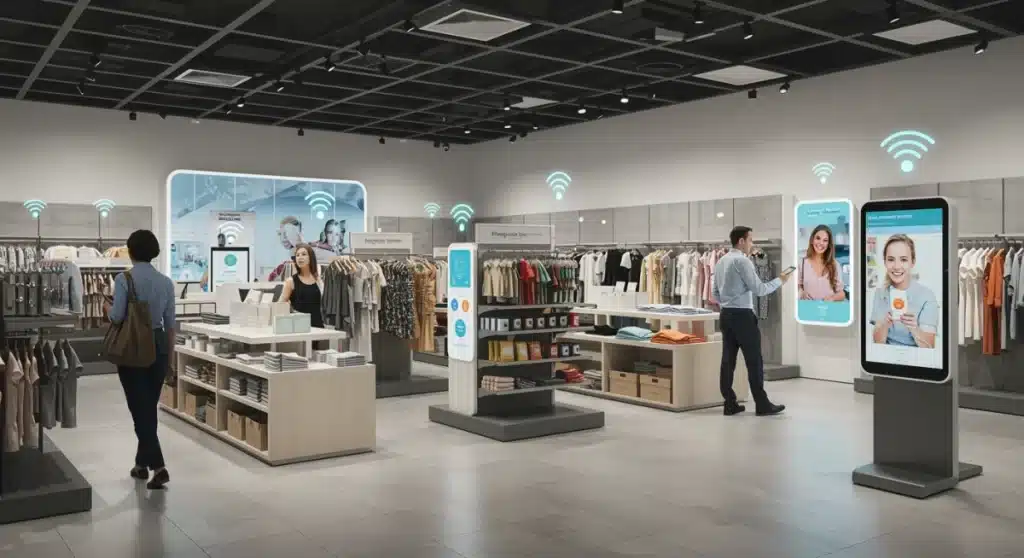
The physical store remains a crucial touchpoint for many US consumers, and IoT is transforming it into a dynamic, interactive space. Smart environments go beyond basic Wi-Fi, integrating a network of connected devices to create a personalized and efficient shopping journey. This translates directly into higher satisfaction as customers feel understood and valued.
Imagine a scenario where a customer walks into a store, and based on their previous purchases or browsing history, relevant products are highlighted on digital displays nearby. This level of personalized interaction, powered by IoT, converts a generic shopping trip into a curated experience. It moves the focus from simply selling products to providing solutions and delighting the customer.
Interactive displays and digital signage
Digital signage connected via IoT can dynamically change content based on foot traffic, weather conditions, or even individual customer profiles. This offers unparalleled flexibility and relevance.
- Dynamic promotions: Displaying real-time deals or flash sales to specific customer segments.
- Product information: Offering detailed specifications, reviews, and usage videos for products.
- Wayfinding: Guiding customers to specific sections or products within large stores.
These interactive elements not only engage customers but also provide valuable data back to the retailer about what content resonates most effectively. This feedback loop is essential for continuous improvement in customer service strategies.
Smart mirrors in fitting rooms, for example, can suggest complementary items, request different sizes, or even allow customers to virtually try on outfits. This reduces friction in the shopping process and provides convenience that traditional retail simply cannot match. The seamless integration of technology makes the shopping experience more enjoyable and efficient, directly contributing to increased satisfaction.
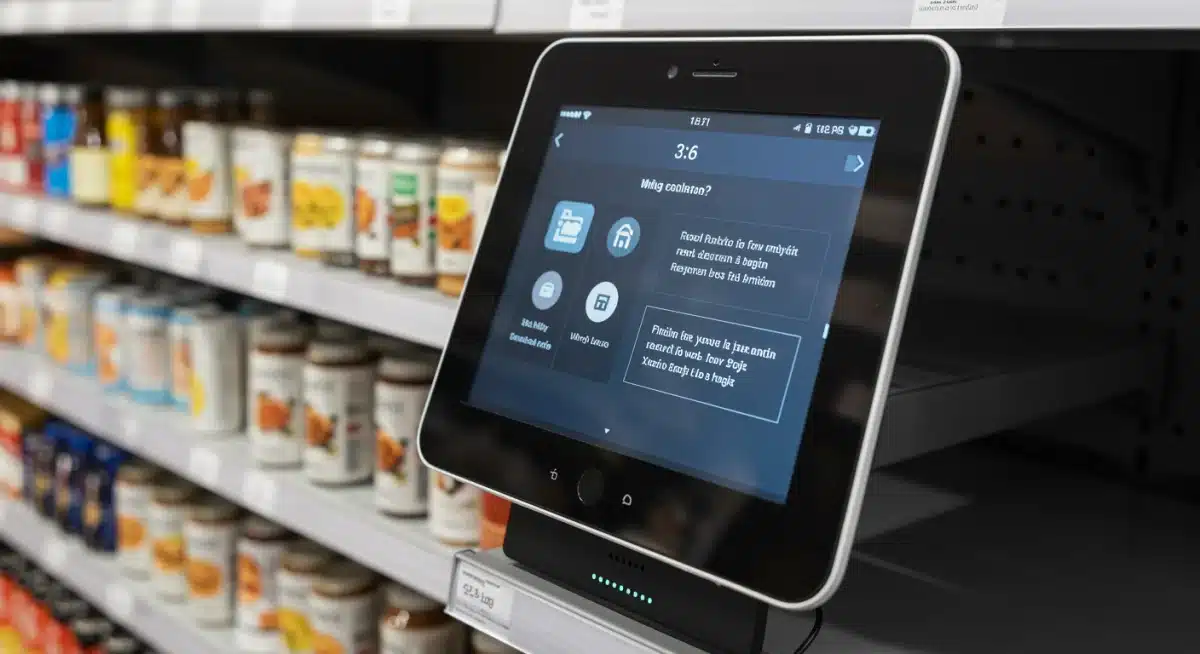
The objective is to create an environment where technology serves to enhance human interaction, not replace it. When done correctly, IoT-powered in-store experiences can foster a stronger connection between the brand and the customer, building loyalty and driving repeat business. This proactive approach to customer engagement is key for retailers aiming for significant satisfaction score increases by 2025.
Personalized customer journeys through IoT data
The true power of IoT in retail customer service lies in its ability to collect and analyze vast amounts of data, translating it into actionable insights for personalization. This data-driven approach moves beyond generic marketing, allowing retailers to create highly tailored experiences that resonate with individual customers. Understanding customer behavior at a granular level is the cornerstone of achieving 15% higher satisfaction scores.
Every interaction, from browsing patterns to purchase history, can be captured and analyzed to build a comprehensive profile of each customer. This profile then informs every aspect of their journey, from the moment they enter the store or visit an online platform to post-purchase support. The result is a customer experience that feels intuitive, anticipatory, and deeply personal.
Leveraging data for targeted interactions
IoT devices provide a rich stream of data that, when combined with existing CRM systems, can create powerful customer segmentation and targeting capabilities. This allows retailers to deliver the right message to the right customer at the right time.
- Behavioral analytics: Tracking customer movement and interaction within the store to optimize layouts and product placement.
- Personalized recommendations: Suggesting products based on real-time browsing and purchase history, both in-store and online.
- Proactive assistance: Identifying customers who might need help and alerting staff, or offering self-service options.
The ability to anticipate needs and offer relevant solutions before a customer even asks is a significant differentiator. It transforms customer service from a reactive function into a proactive engagement strategy, fostering a sense of care and understanding.
Consider a scenario where a customer regularly buys organic produce. An IoT-enabled system could send them a notification about a new shipment of organic vegetables as they approach the relevant aisle. This level of personalized, contextual communication makes shopping more efficient and enjoyable, directly contributing to a positive customer experience.
By harnessing IoT data, retailers can move beyond generic service to create genuinely personalized customer journeys. This deep understanding of individual preferences and behaviors is indispensable for any US retailer aiming to significantly improve customer satisfaction and build lasting loyalty by 2025.
Optimizing operations and staff efficiency with IoT
While customer-facing applications of IoT are vital, its impact on back-end operations and staff efficiency is equally crucial for enhancing overall customer service. A well-oiled operational machine means fewer delays, better stock availability, and more attentive staff, all contributing to a smoother and more satisfying customer experience. Streamlined operations are an unseen but powerful driver of customer satisfaction.
When staff are not bogged down with manual inventory checks or searching for misplaced items, they have more time and energy to dedicate to assisting customers directly. IoT solutions automate many of these mundane tasks, freeing up human resources for more valuable, empathetic interactions. This shift allows retailers to maximize their human capital while minimizing operational friction.
Smart inventory and supply chain management
IoT sensors and RFID tags revolutionize how inventory is tracked and managed, ensuring products are always in stock and readily available.
- Automated stock alerts: Notifying staff when items are running low on shelves or in the backroom.
- Reduced waste: Monitoring perishable goods’ temperature and expiration dates to minimize spoilage.
- Efficient restocking: Guiding staff to the exact location of items for quicker replenishment.
This precision in inventory management directly impacts customer satisfaction by preventing the frustration of out-of-stock items and ensuring that desired products are always accessible. It also allows staff to confidently inform customers about product availability.
Furthermore, IoT can optimize the entire supply chain, from warehouse to storefront. Real-time tracking of shipments and automated alerts for potential delays mean retailers can manage expectations and communicate proactively with customers. This transparency and efficiency build trust and reduce anxiety, elements critical for high satisfaction scores.
Ultimately, investing in IoT for operational efficiency is an investment in customer service. By empowering staff with better tools and reducing logistical hurdles, retailers can create a more responsive and reliable service environment. This foundational improvement is a non-negotiable step for US retailers aiming for a 15% increase in customer satisfaction by 2025.
Predictive maintenance and proactive problem-solving
Beyond optimizing daily operations, IoT enables retailers to shift from reactive problem-solving to proactive prevention. Predictive maintenance, powered by IoT sensors, monitors the health of critical store equipment, identifying potential issues before they cause disruptions. This foresight minimizes downtime, prevents negative customer experiences, and ensures a consistently smooth retail environment.
Imagine a refrigerator failing in the middle of a busy day, leading to spoiled goods and disgruntled customers. IoT sensors can detect subtle changes in temperature or performance, triggering maintenance alerts long before a complete breakdown occurs. This capability is not just about saving costs; it’s about safeguarding the customer experience from unforeseen operational failures.
Monitoring store infrastructure with IoT
IoT devices can be deployed across various aspects of store infrastructure to ensure optimal functioning and prevent service interruptions.
- HVAC systems: Monitoring temperature and air quality for customer comfort and energy efficiency.
- Lighting systems: Detecting faulty bulbs or wiring to ensure well-lit and inviting spaces.
- POS terminals: Predicting hardware failures to prevent checkout delays and frustration.
- Security systems: Ensuring cameras and sensors are always operational for safety and loss prevention.
By continuously monitoring these critical systems, retailers can address issues proactively, often outside of operating hours, minimizing any impact on the customer. This level of diligence demonstrates a commitment to providing a seamless and comfortable shopping experience.
Moreover, IoT can extend to monitoring customer flow and potential bottlenecks. For instance, sensors can identify long queues at checkout or understaffed departments, allowing managers to reallocate resources in real-time. This proactive approach to managing customer flow prevents frustration and ensures efficient service, directly contributing to higher satisfaction levels.
The ability to anticipate and resolve problems before they affect customers is a significant advantage offered by IoT. For US retailers, embracing predictive maintenance and proactive problem-solving through IoT is a strategic imperative to achieve and sustain high customer satisfaction scores by 2025.
Measuring success: KPIs for IoT-driven customer satisfaction
Implementing IoT for enhanced customer service is only half the battle; measuring its impact is equally critical. To achieve the ambitious goal of a 15% higher satisfaction score by 2025, US retailers must establish clear Key Performance Indicators (KPIs) and continuously monitor their progress. Data from IoT deployments should directly inform these metrics, providing a tangible link between technology investment and customer experience improvements.
Without robust measurement, even the most innovative IoT solutions risk becoming expensive experiments. The focus must be on quantifiable improvements that demonstrate a clear return on investment in terms of customer loyalty, repeat business, and overall brand perception. This requires a strategic approach to data collection and analysis.
Key metrics for IoT impact
Several KPIs can effectively gauge the success of IoT initiatives in boosting customer satisfaction. These metrics should be regularly reviewed and integrated into broader business intelligence dashboards.
- Customer satisfaction score (CSAT): Direct feedback from customers on their shopping experience.
- Net promoter score (NPS): Measures customer loyalty and willingness to recommend the brand.
- Average transaction value (ATV): Indicates successful upselling and cross-selling driven by personalization.
- Dwell time: How long customers spend in specific areas, indicating engagement with displays or products.
- Conversion rates: The percentage of visitors who make a purchase, potentially influenced by personalized offers.
- Return rates: Lower return rates can indicate better product matching and clearer information.
Beyond these direct customer metrics, operational KPIs such as reduced out-of-stock incidents, faster checkout times, and improved staff response rates also indirectly contribute to higher satisfaction. These internal efficiencies free up resources and reduce friction points for customers.
The integration of IoT data with customer feedback mechanisms is paramount. For example, if IoT reveals high dwell times in a particular aisle but low conversion, it might indicate a need for better product information or staff assistance in that area. This iterative process of data collection, analysis, and adjustment is what drives continuous improvement in customer service.
By meticulously tracking these KPIs, US retailers can not only validate the effectiveness of their IoT investments but also identify areas for further optimization. This data-driven approach is essential for achieving and sustaining a 15% increase in customer satisfaction scores by 2025.
Overcoming challenges and ensuring ethical IoT implementation
While the promise of IoT in retail is immense, its successful implementation is not without challenges. Addressing concerns around data privacy, cybersecurity, and the complexity of integration is crucial for building customer trust and ensuring the ethical deployment of these transformative technologies. A robust strategy must account for these hurdles to unlock the full potential of IoT for enhanced customer service.
Customers are increasingly aware of their data footprint, and any perception of misuse can severely erode trust. Retailers must be transparent about data collection practices and demonstrate a clear commitment to protecting customer information. Building this trust is as important as the technological advancement itself.
Key challenges and mitigation strategies
Navigating the complexities of IoT requires a thoughtful approach, balancing innovation with responsibility.
- Data privacy concerns: Implementing robust anonymization and encryption protocols for customer data. Clear, concise privacy policies are a must.
- Cybersecurity risks: Securing IoT devices and networks against potential breaches with multi-layered security measures and regular audits.
- Integration complexity: Ensuring seamless interoperability between various IoT devices, legacy systems, and cloud platforms.
- Cost of implementation: Phased rollouts and focusing on high-impact areas first can manage initial investment.
- Talent gap: Investing in training existing staff or hiring new talent with expertise in IoT management and data analytics.
Addressing these challenges proactively demonstrates a retailer’s commitment to responsible innovation. It reinforces the idea that technology is being used to serve the customer better, not exploit their data or compromise their security. This ethical foundation is non-negotiable for long-term success.
Furthermore, retailers must consider the user experience of their IoT solutions. Technology should be intuitive and enhance interactions, not complicate them. Extensive testing and feedback loops are vital to ensure that new systems genuinely improve the customer journey rather than creating new frustrations.
By tackling these challenges head-on, US retailers can build a resilient and ethical IoT ecosystem that truly enhances customer service. This careful and responsible implementation will be a hallmark of the most successful retail strategies by 2025, fostering both innovation and unwavering customer trust.
| Key Aspect | Impact on Customer Service |
|---|---|
| Smart Environments | Creates interactive, personalized in-store experiences. |
| Personalized Journeys | Leverages data for targeted recommendations and proactive assistance. |
| Operational Efficiency | Automates tasks, improves inventory, frees staff for customer interaction. |
| Predictive Maintenance | Prevents disruptions, ensures smooth operations, enhances reliability. |
Frequently asked questions about IoT in retail customer service
IoT, or the Internet of Things, refers to a network of interconnected physical devices embedded with sensors, software, and other technologies that collect and exchange data. In retail, it enhances customer service by enabling personalized experiences, optimizing in-store operations, providing real-time inventory insights, and facilitating proactive problem-solving, leading to greater satisfaction.
IoT contributes to higher satisfaction by creating seamless, personalized shopping journeys. This includes tailored product recommendations, efficient checkout processes, readily available stock, and responsive staff. By addressing customer needs proactively and reducing friction points, IoT directly impacts perceptions of service quality and overall satisfaction levels.
For US retailers, key benefits include enhanced operational efficiency through smart inventory management, deeper insights into customer behavior via data analytics, improved in-store experiences with interactive displays, and proactive maintenance of store infrastructure. These advantages collectively drive competitive differentiation and profitability in a dynamic market.
Major challenges involve ensuring data privacy and cybersecurity, managing the complexity of integrating diverse IoT devices with existing systems, and the initial investment costs. Retailers must also address the talent gap for managing these technologies and ensure transparent communication with customers regarding data usage to maintain trust.
IoT streamlines operations by automating tasks like inventory tracking and predictive maintenance, reducing manual workload for staff. This frees up employees to focus on direct customer interaction and value-added services. Improved operational insights also lead to better resource allocation, preventing bottlenecks and enhancing overall store functionality.
Conclusion
The journey towards achieving a 15% higher customer satisfaction score by 2025 for US retailers is inextricably linked to the strategic implementation of IoT. This technology offers a transformative blueprint, enabling retailers to craft deeply personalized experiences, optimize operational efficiencies, and foster a proactive approach to customer service. By embracing smart environments, leveraging data for targeted interactions, and ensuring robust security and ethical practices, retailers can build stronger, more loyal customer relationships. The future of retail customer service is intelligent, connected, and customer-centric, driven by the innovative power of IoT.