US E-commerce 2025: Market Share Breakdown & Competitive Landscape

The US e-commerce market in 2025 is defined by a dynamic and highly competitive environment, with major players solidifying their positions while emerging platforms and innovative strategies reshape consumer purchasing habits.
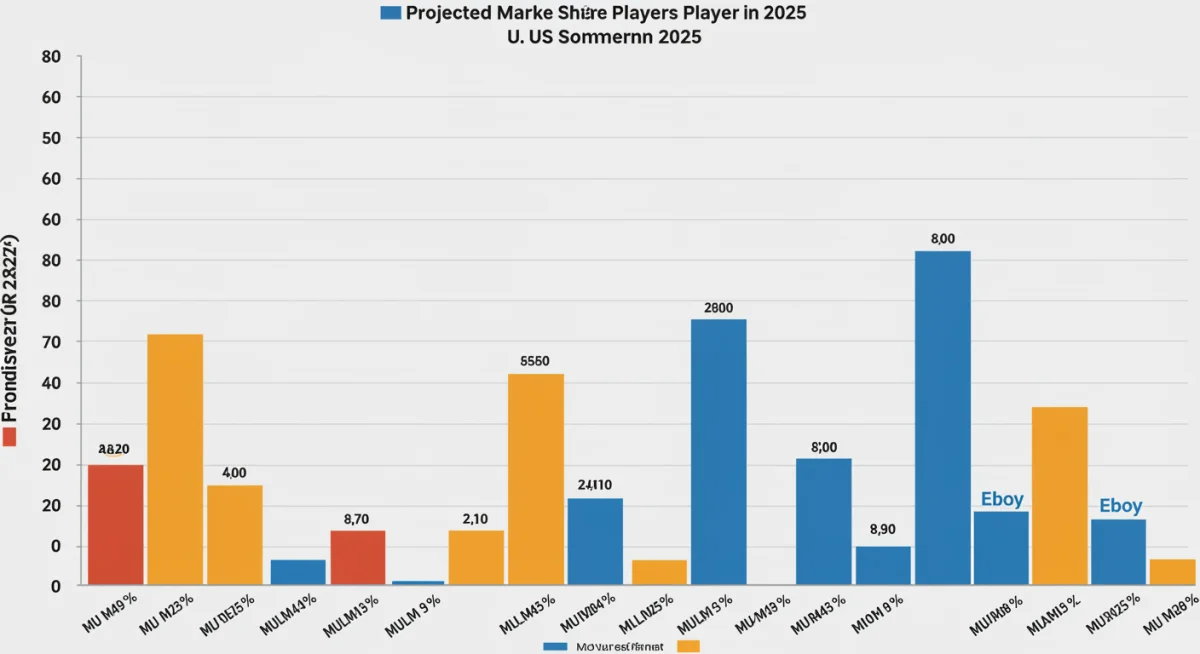
The competitive landscape in US e-commerce: a 2025 market share breakdown is a fascinating subject, constantly evolving and presenting both immense opportunities and significant challenges. As we venture further into the digital age, understanding who holds the reins and what strategies are driving success becomes paramount for businesses, investors, and consumers alike. This comprehensive analysis delves into the projected market shares of key players, dissects the underlying factors influencing these figures, and explores the innovative trends shaping the future of online retail in the United States.
The evolving dominance of major players
The US e-commerce market continues to be largely dominated by a few behemoths, although their strategies and areas of growth are constantly shifting. Amazon, for instance, remains a formidable force, leveraging its vast logistics network, Prime membership benefits, and continuous expansion into new product categories and services. However, traditional retailers like Walmart and Target have significantly upped their digital game, blurring the lines between online and offline shopping experiences.
These established players are not merely resting on their laurels. They are investing heavily in technologies such as artificial intelligence for personalized recommendations, advanced analytics for inventory management, and robust infrastructure to ensure rapid delivery. Their ability to adapt to changing consumer expectations and integrate physical and digital touchpoints is crucial for maintaining their market standing.
Amazon’s enduring influence
Amazon’s market share, while still substantial, faces increasing pressure from diversified competitors. Its focus on customer loyalty through Prime, coupled with its cloud services (AWS) and advertising platforms, creates a powerful ecosystem. The company’s expansion into groceries, healthcare, and entertainment further solidifies its position, making it more than just an online retailer.
- Prime Ecosystem: Loyalty program driving repeat purchases and service adoption.
- Logistics Network: Unmatched speed and efficiency in delivery.
- Diversified Portfolio: Beyond retail, including cloud computing and media.
Traditional retailers’ digital pivot
Walmart and Target have successfully transformed their brick-and-mortar presence into a competitive advantage. Their extensive store networks facilitate convenient in-store pickups, same-day delivery options, and easy returns, offering a hybrid shopping model that resonates with many consumers. This omnichannel approach allows them to capture market share from pure-play online retailers.
Their investments in e-commerce infrastructure, personalized shopping apps, and strategic partnerships have enabled them to provide a seamless customer journey. This integration of physical and digital channels is a key differentiator in the increasingly crowded US e-commerce market.
Emerging platforms and niche markets
Beyond the giants, a vibrant ecosystem of emerging platforms and specialized retailers is carving out significant niches within the US e-commerce market. These players often succeed by focusing on specific demographics, product categories, or unique value propositions that larger retailers may overlook. Direct-to-consumer (DTC) brands, for example, continue to thrive by building strong brand identities and fostering direct relationships with their customers.
The rise of social commerce and live shopping is also creating new avenues for market entry and growth. Platforms like Shopify, with their robust tools for small and medium-sized businesses, empower entrepreneurs to compete effectively by providing scalable e-commerce solutions. This decentralization of online retail fosters innovation and caters to a wider array of consumer preferences.
The growth of direct-to-consumer (DTC) brands
DTC brands leverage digital channels to sell directly to consumers, bypassing traditional intermediaries. This model allows for greater control over brand messaging, customer experience, and pricing. By focusing on niche markets and building strong communities, DTC brands can achieve significant success and cultivate fiercely loyal customer bases.
- Brand Control: Direct communication and consistent brand experience.
- Customer Relationships: Fostering loyalty through personalized interactions.
- Niche Focus: Catering to specific consumer needs and preferences.
Social commerce and marketplace innovations
Social media platforms are increasingly becoming shopping destinations, integrating e-commerce functionalities directly into their interfaces. Live shopping events, where influencers showcase products in real-time, drive immediate sales and engagement. Furthermore, specialized marketplaces catering to specific interests, such as Etsy for handmade goods or StockX for sneakers, continue to attract dedicated user bases.
These innovations highlight a shift in how consumers discover and purchase products online. The emphasis is moving towards more interactive, community-driven, and personalized shopping experiences, creating new opportunities for businesses willing to adapt.
Technological advancements driving market shifts
Technology remains a critical catalyst for change in the US e-commerce market. Innovations in artificial intelligence (AI), machine learning (ML), augmented reality (AR), and virtual reality (VR) are reshaping everything from product discovery to customer service and logistics. These advancements enable retailers to offer more personalized, immersive, and efficient shopping experiences, which in turn influences consumer behavior and market share distribution.
The backend operations are also benefiting immensely from technological upgrades. Predictive analytics helps in optimizing inventory levels, reducing waste, and ensuring product availability. Automation in warehouses and last-mile delivery solutions are improving efficiency and reducing operational costs, allowing businesses to pass on savings or reinvest in customer service.
AI and personalization
AI-driven algorithms are at the heart of personalized shopping experiences. From recommending products based on past purchases and browsing history to dynamically adjusting prices and promotions, AI enhances customer engagement and conversion rates. Chatbots and virtual assistants powered by AI are also improving customer service, providing instant support and guidance.
- Product Recommendations: Tailored suggestions based on individual preferences.
- Dynamic Pricing: Real-time price adjustments to optimize sales.
- Customer Support: AI-powered chatbots for instant assistance.
Augmented and virtual reality in retail
AR and VR technologies are bridging the gap between online and offline shopping by allowing consumers to visualize products in their own environments or try on items virtually. This reduces uncertainty and returns, particularly for categories like furniture, apparel, and cosmetics. As these technologies become more accessible, their adoption is expected to grow, offering a more immersive shopping experience.
Imagine trying on a new pair of glasses using your phone’s camera, or seeing how a sofa would look in your living room before making a purchase. These capabilities are transforming the way consumers interact with products online, leading to higher satisfaction and increased sales.
Consumer behavior and demographic influences
Understanding consumer behavior is central to navigating the competitive landscape in US e-commerce. Demographic shifts, evolving purchasing habits, and changing values all play a significant role in shaping market demand and influencing which retailers gain or lose market share. The younger generations, particularly Gen Z, are driving trends in social commerce and sustainable shopping, while older demographics are increasingly comfortable with online transactions, especially for essential goods.
Convenience, value, and ethical considerations are paramount for today’s consumers. Retailers that can effectively address these priorities through seamless shopping experiences, competitive pricing, and transparent business practices are more likely to succeed. The demand for fast, reliable delivery and easy returns also continues to be a major factor in consumer choice.
Generational shopping trends
Each generation exhibits distinct shopping behaviors. Gen Z and Millennials are digital natives, comfortable with mobile shopping, social commerce, and influencer marketing. They prioritize authenticity, sustainability, and brand values. Conversely, older generations, while increasingly online, may prefer simpler interfaces and value trusted brands and traditional customer service.
Retailers must tailor their marketing and user experience strategies to cater to these diverse preferences. A one-size-fits-all approach is no longer effective in capturing a broad customer base.
The importance of convenience and value
In a fast-paced world, convenience is a top priority for consumers. This translates to easy navigation, quick checkout processes, and flexible delivery options. Value, however, extends beyond just price; it encompasses product quality, customer service, and the overall shopping experience. Retailers offering a compelling blend of all these factors are poised for success.
- Seamless Checkout: Quick and hassle-free payment processes.
- Flexible Delivery: Multiple options including same-day, scheduled, and in-store pickup.
- Customer Service: Responsive and effective support for inquiries and issues.
Supply chain resilience and logistics innovation
The robustness of a retailer’s supply chain and its logistical capabilities are increasingly critical determinants of success in the US e-commerce market. Recent global disruptions have highlighted the vulnerabilities of complex supply networks, prompting businesses to invest in greater resilience, diversification, and technological solutions to optimize their operations. Efficient warehousing, last-mile delivery, and reverse logistics (returns management) are key areas of focus.
Companies are exploring innovative approaches such as micro-fulfillment centers located closer to urban populations, drone delivery for specific products, and autonomous vehicles for middle-mile transport. These advancements aim to reduce delivery times, lower costs, and enhance the overall customer experience, directly impacting customer satisfaction and retention.
Optimizing last-mile delivery
Last-mile delivery, the final leg of a product’s journey to the customer, is often the most expensive and complex. Retailers are investing in various strategies to optimize this process, including partnerships with third-party logistics (3PL) providers, expanding their own delivery fleets, and implementing advanced route optimization software. The goal is to ensure speed, reliability, and cost-effectiveness.
The ability to offer diverse delivery options, such as scheduled deliveries, locker pickups, and expedited shipping, provides consumers with flexibility and choice, further enhancing their shopping experience.
Building resilient supply chains
Supply chain resilience involves creating robust systems that can withstand disruptions, whether from natural disasters, geopolitical events, or economic fluctuations. This includes diversifying sourcing, implementing contingency plans, and leveraging data analytics to predict and mitigate potential issues. A resilient supply chain ensures product availability and minimizes operational interruptions.
- Diversified Sourcing: Reducing reliance on a single supplier or region.
- Contingency Planning: Preparedness for unforeseen disruptions.
- Data Analytics: Predicting and mitigating supply chain risks.
Regulatory environment and data privacy
The regulatory landscape significantly impacts the operations and strategies of e-commerce businesses in the US. Data privacy laws, consumer protection regulations, and antitrust considerations are becoming increasingly stringent, requiring retailers to adapt their practices and ensure compliance. Maintaining consumer trust through transparent data handling and secure transactions is paramount, especially as data breaches become more common.
The focus on fair competition also means that larger players face greater scrutiny, potentially leading to new regulations that could reshape market dynamics. Smaller businesses, while less scrutinized, must still navigate a complex web of state and federal laws related to sales tax, product safety, and advertising standards. Staying informed and compliant is not just a legal necessity but also a critical component of building and maintaining a positive brand reputation.
Data privacy regulations
Laws such as the California Consumer Privacy Act (CCPA) and similar state-level initiatives are setting new standards for how consumer data is collected, stored, and used. E-commerce platforms must invest in robust data security measures and provide consumers with clear options regarding their personal information. Failure to comply can result in significant fines and damage to brand reputation.
Consumers are becoming more aware of their data rights, and companies that prioritize privacy are likely to gain a competitive edge. Transparency in data practices is no longer just a good practice but a fundamental expectation.
Antitrust and fair competition
Government bodies are increasingly scrutinizing the market dominance of major e-commerce players, particularly concerning potential anti-competitive practices. This could lead to regulatory actions aimed at fostering a more level playing field, which might include restrictions on mergers and acquisitions, or mandates for data portability. Such changes could significantly alter the market share dynamics.
- Regulatory Scrutiny: Increased oversight of dominant market players.
- Consumer Protection: Safeguarding consumers from unfair business practices.
- Market Fairness: Initiatives to promote equitable competition among retailers.
Future outlook and strategic considerations
Looking ahead, the US e-commerce market in 2025 will continue its trajectory of rapid growth and transformation. Strategic considerations for businesses striving to thrive in this dynamic environment include continuous innovation, a deep understanding of evolving consumer behaviors, and adaptive business models. The blend of online and offline experiences, driven by technological advancements, will become even more seamless, creating a truly omnichannel retail landscape.
Investments in sustainable practices, ethical sourcing, and community engagement will also play a crucial role in attracting and retaining customers, particularly among younger demographics. Companies that prioritize these values, alongside providing exceptional service and value, will be well-positioned to capture a significant portion of the future market share. The ability to anticipate and respond to these shifts will be the ultimate determinant of long-term success.
Embracing sustainability and ethical practices
Consumers are increasingly making purchasing decisions based on a brand’s commitment to sustainability and ethical practices. E-commerce businesses that adopt eco-friendly packaging, support fair labor practices, and contribute positively to their communities will not only enhance their brand image but also attract a growing segment of conscious consumers. This is becoming a non-negotiable aspect of modern business.
From carbon-neutral shipping options to transparent supply chains, these initiatives are no longer just marketing ploys but fundamental business strategies that resonate deeply with today’s environmentally and socially aware consumers.
Agile business models and continuous innovation
The fast-paced nature of e-commerce demands agile business models capable of rapid adaptation. This involves continuous experimentation with new technologies, exploring emerging sales channels, and quickly responding to market feedback. Innovation is not just about new products but also about improving processes, enhancing customer experience, and finding novel ways to deliver value.
- Technological Adoption: Integrating AI, AR/VR, and automation.
- Market Responsiveness: Adapting quickly to consumer trends and competitive shifts.
- Customer-Centricity: Prioritizing user experience and satisfaction in all innovations.
| Key Aspect | Brief Description |
|---|---|
| Major Players | Amazon, Walmart, and Target lead, diversifying services and integrating online/offline. |
| Emerging Trends | DTC brands, social commerce, and niche marketplaces gaining traction. |
| Technological Impact | AI, AR/VR, and advanced logistics optimize personalization and efficiency. |
| Consumer Focus | Convenience, value, sustainability, and privacy drive purchasing decisions. |
Frequently asked questions about US e-commerce in 2025
By 2025, Amazon is expected to maintain its leadership, but Walmart and Target will significantly strengthen their positions through omnichannel strategies. Emerging platforms and niche DTC brands will also capture notable market segments, emphasizing diversified competition.
AI will profoundly impact market share by enabling hyper-personalization, optimizing inventory, and enhancing customer service. Retailers leveraging AI for superior customer experiences and operational efficiency will gain a significant competitive advantage over those who don’t.
Yes, absolutely. Brick-and-mortar stores are becoming integral to omnichannel strategies, facilitating services like in-store pickup, easy returns, and localized fulfillment. This hybrid model allows traditional retailers to leverage their physical footprint for e-commerce growth and customer convenience.
Sustainability is increasingly crucial. Consumers, especially younger generations, prefer brands with ethical practices and eco-friendly operations. Retailers adopting sustainable sourcing, packaging, and delivery methods will enhance brand loyalty and attract a growing segment of environmentally conscious shoppers, influencing market share.
Regulatory changes, particularly in data privacy and antitrust, will likely increase compliance costs for all players and potentially curb the dominance of larger firms. These regulations aim to foster fair competition and protect consumers, which could lead to a more diversified market share distribution.
Conclusion
The competitive landscape in US e-commerce: a 2025 market share breakdown reveals a dynamic environment where adaptation and innovation are key. While established giants like Amazon will continue to hold significant sway, their dominance will be increasingly challenged by agile traditional retailers and a burgeoning ecosystem of niche players and DTC brands. Technological advancements, evolving consumer expectations around convenience and sustainability, and a tightening regulatory framework will collectively shape the future trajectory of online retail. Success in this landscape will hinge on a retailer’s ability to seamlessly integrate technology, prioritize customer experience, build resilient supply chains, and embrace ethical business practices, ensuring they remain relevant and competitive in an ever-changing digital marketplace.