Subscription Billing in Digital Payments: Reduce Churn by 5% with Optimized Strategies for 2025
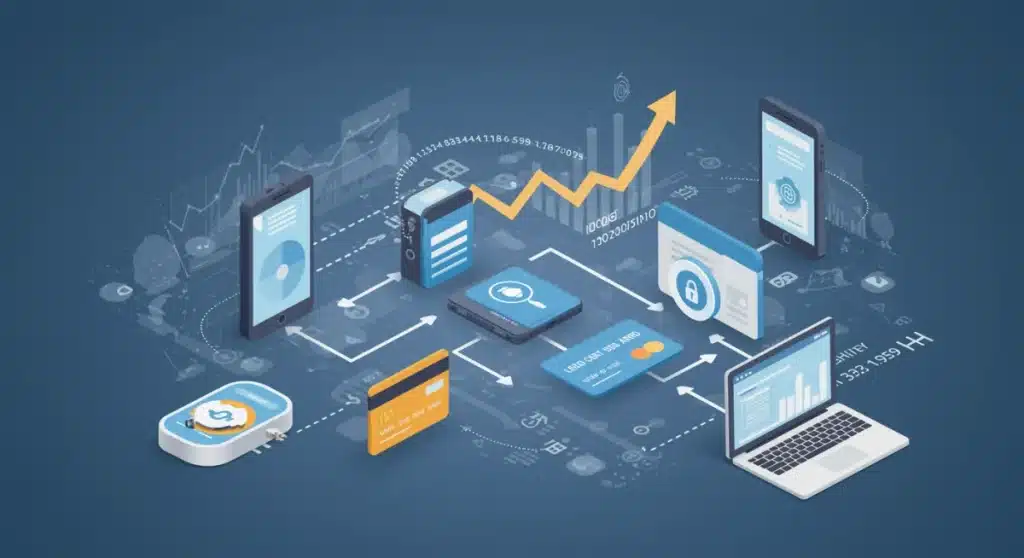
Optimizing subscription billing in digital payments is crucial for businesses aiming to reduce customer churn, with strategic approaches essential for achieving a 5% reduction by 2025 and fostering sustained growth.
In today’s dynamic digital economy, mastering subscription billing churn reduction is paramount for sustained business success. With the competitive landscape intensifying, businesses are actively seeking innovative strategies to not only attract but also retain their valuable subscribers. This article delves into actionable insights and optimized approaches designed to help companies reduce churn by a significant 5% by 2025, ensuring a robust and predictable revenue stream.
Understanding the Landscape of Subscription Churn
Subscription churn, the rate at which customers cancel their recurring services, is a critical metric for any business operating on a subscription model. In digital payments, churn can stem from various sources, ranging from payment failures to dissatisfaction with the service itself. Identifying these root causes is the first step toward effective mitigation.
The digital payments ecosystem introduces unique challenges, including issues like expired cards, insufficient funds, or even fraud flags that inadvertently lead to legitimate transactions being declined. These ‘involuntary churn’ events, often overlooked, contribute significantly to overall subscriber loss. Addressing them requires a proactive and sophisticated approach to billing and customer communication.
Common Causes of Involuntary Churn
- Expired or invalid payment methods.
- Insufficient funds or credit limits.
- Fraud detection systems flagging legitimate transactions.
- Bank processing errors or network issues.
By understanding the multifaceted nature of churn, businesses can begin to implement targeted strategies. It’s not just about improving the product, but also about refining the entire billing lifecycle to create a seamless and reliable experience for the subscriber. This holistic view is essential for achieving any meaningful reduction in churn rates.
Leveraging Smart Dunning Management for Retention
Dunning management, the process of communicating with customers to recover failed payments, is a powerful yet often underutilized tool in the fight against churn. Instead of a one-size-fits-all approach, smart dunning leverages data and automation to personalize outreach and maximize recovery rates.
Modern dunning systems go beyond simple email reminders. They integrate with payment gateways to intelligently retry failed transactions, often at optimal times or with alternative payment routes. This automated retrial process alone can significantly reduce involuntary churn without any direct customer intervention, saving both time and resources.
Key Components of an Effective Dunning Strategy
- Automated payment retries: intelligently scheduled based on payment history and bank behavior.
- Multi-channel communication: utilizing email, SMS, and in-app notifications.
- Personalized messaging: tailoring the tone and content to the customer’s history and relationship with the service.
- Self-service options: providing easy ways for customers to update payment information.
An optimized dunning strategy is not just about recovering lost revenue; it’s about preserving customer relationships. By handling payment issues gracefully and efficiently, businesses can prevent minor technical glitches from escalating into full-blown cancellations, thereby directly contributing to a lower churn rate.
Personalizing the Payment Experience
The digital payment experience should be as frictionless and personalized as possible. Generic payment pages and limited options can be off-putting to modern consumers who expect convenience and flexibility. Personalization extends beyond just addressing customers by name; it involves offering relevant payment methods and transparent billing cycles.
For instance, understanding a customer’s preferred payment method, whether it’s a credit card, digital wallet, or bank transfer, and offering it prominently can significantly improve conversion and retention. Similarly, clear communication about upcoming charges, renewal dates, and usage details builds trust and reduces surprises that might lead to cancellations.
Enhancing Payment Personalization
- Offering localized and preferred payment methods.
- Providing flexible billing cycles (monthly, quarterly, annually).
- Implementing transparent pricing and clear billing statements.
- Utilizing data to predict and preempt potential payment issues.
A personalized payment experience demonstrates that a business values its customers and understands their needs. This level of attention fosters loyalty and reduces the likelihood of churn, as customers feel more connected and less likely to seek alternatives. It transforms a transactional process into a relationship-building opportunity.
Proactive Customer Engagement and Support
Beyond billing, proactive customer engagement and robust support are vital for churn reduction. Often, customers churn not because of payment issues, but due to unmet expectations or unresolved frustrations. A strong support system can intercept these issues before they lead to cancellations.
This includes anticipating customer needs, providing helpful resources, and offering multiple channels for support. Proactive communication, such as sending tips on how to best utilize the service or notifying users of new features, keeps customers engaged and reminds them of the value they receive. It shifts the focus from reactive problem-solving to proactive value delivery.
Strategies for Proactive Engagement
- Regularly communicating product updates and new features.
- Offering tutorials and educational content to maximize product usage.
- Implementing feedback mechanisms and acting on customer suggestions.
- Providing accessible and efficient multi-channel customer support.
By investing in proactive engagement, businesses can build a stronger relationship with their subscribers. This not only increases satisfaction but also creates a buffer against potential churn, as customers are more likely to seek solutions rather than simply cancelling their subscriptions when issues arise.
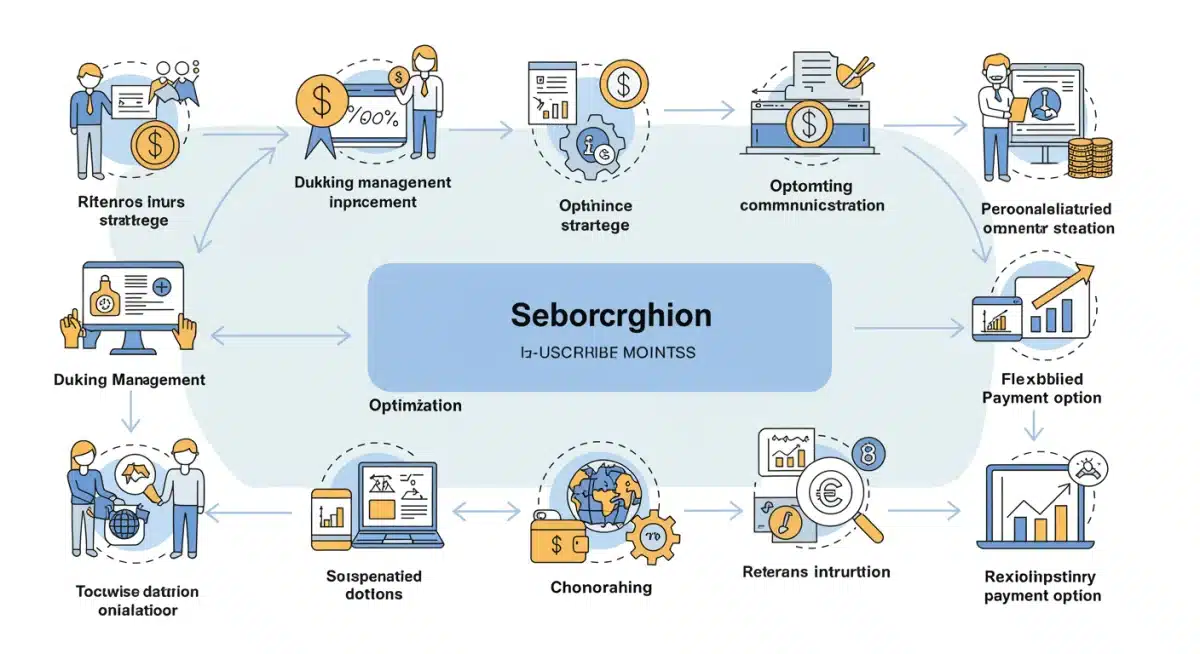
Data Analytics and Predictive Churn Modeling
In the quest to reduce churn, data is your most powerful ally. Advanced analytics and predictive modeling allow businesses to identify customers at risk of churning before they actually do. By analyzing patterns in usage, payment history, and engagement levels, companies can intervene with targeted retention efforts.
Predictive churn models utilize machine learning to forecast which subscribers are most likely to cancel. This enables businesses to segment their customer base and deploy tailored strategies, such as offering personalized incentives, proactive support, or re-engagement campaigns to those identified as high-risk. This shift from reactive to proactive churn management is a game-changer.
Utilizing Data for Churn Prediction
- Analyzing usage patterns and engagement metrics.
- Monitoring payment success rates and billing history.
- Segmenting customers based on churn risk scores.
- Implementing A/B testing for various retention offers.
Data-driven insights empower businesses to make informed decisions and allocate resources effectively. By understanding the ‘why’ behind churn, companies can refine their products, marketing messages, and customer service to address underlying issues, leading to a more resilient subscription model and significantly lower churn rates.
Implementing Flexible and Transparent Billing Models
Rigid billing models can often be a silent contributor to churn. Modern consumers appreciate flexibility and transparency in how they pay for services. Offering a variety of subscription tiers, payment frequencies, and easy upgrade/downgrade options can significantly enhance customer satisfaction and reduce the desire to cancel.
Transparency in billing is equally crucial. Hidden fees, unexpected charges, or unclear pricing structures erode trust and can quickly lead to customer frustration. Clearly outlining what customers are paying for, when they will be charged, and how they can manage their subscriptions empowers them and fosters a sense of control.
Benefits of Flexible Billing
- Increased customer satisfaction through choice.
- Reduced churn by accommodating changing customer needs.
- Opportunity for upselling and cross-selling through tier adjustments.
- Improved customer loyalty through transparent practices.
By embracing flexible and transparent billing models, businesses demonstrate a customer-centric approach. This not only helps in retaining existing subscribers but also attracts new ones who value clarity and adaptability in their service providers, ultimately contributing to a healthier and more sustainable business model.
Optimizing Payment Gateway Integrations and Security
The reliability and security of payment gateway integrations are foundational to preventing involuntary churn. A robust payment infrastructure minimizes transaction failures and protects customer data, building trust and ensuring a smooth billing process.
Businesses should regularly review their payment gateway performance, looking for high success rates, low latency, and comprehensive fraud detection capabilities. Integrating with multiple payment processors or utilizing smart routing can further enhance resilience, ensuring that even if one gateway experiences issues, transactions can still be processed successfully.
Ensuring Payment Gateway Excellence
- Selecting PCI-compliant payment gateways.
- Implementing multi-factor authentication for transactions.
- Utilizing tokenization for secure storage of payment information.
- Regularly auditing security protocols and transaction logs.
A secure and efficient payment system is not just a technical requirement; it’s a key component of customer retention. When customers feel their financial information is safe and their transactions are consistently successful, they are more likely to remain subscribed, reinforcing the overall goal of reducing churn.
| Key Strategy | Churn Reduction Impact |
|---|---|
| Smart Dunning Management | Automates recovery of failed payments, reducing involuntary churn significantly. |
| Personalized Payment Experience | Offers relevant payment methods and transparent billing, increasing customer satisfaction. |
| Predictive Churn Modeling | Identifies at-risk customers proactively for targeted retention efforts. |
| Flexible Billing Models | Provides choice and transparency, accommodating evolving customer needs and preferences. |
Frequently Asked Questions About Churn Reduction
Involuntary churn refers to subscribers who cancel their service due to issues beyond their direct control, primarily failed payments. These can include expired credit cards, insufficient funds, or technical processing errors. Effective dunning strategies are crucial for preventing this type of churn and retaining valuable customers effortlessly.
Personalized payment experiences reduce churn by offering customers their preferred payment methods and transparent billing information. This approach enhances convenience, builds trust, and minimizes friction during transactions, making customers feel more valued and less likely to seek alternative services. It directly contributes to superior customer satisfaction.
Data analytics plays a critical role by identifying patterns and predicting which customers are at risk of churning. By analyzing usage data, payment history, and engagement metrics, businesses can proactively intervene with targeted retention strategies, such as personalized offers or support, preventing cancellations before they occur and optimizing resource allocation.
Flexible billing models are important because they cater to diverse customer needs and financial situations. Offering various subscription tiers, payment frequencies, and easy upgrade/downgrade options reduces friction and financial strain, allowing customers to adapt their subscriptions as their circumstances change, thereby increasing loyalty and retention.
Businesses ensure payment gateway security by using PCI-compliant systems, implementing multi-factor authentication, and tokenizing sensitive data. A secure and reliable payment infrastructure minimizes transaction failures, protects customer financial information, and builds trust, which are all crucial factors in preventing involuntary churn and maintaining customer confidence.
Conclusion
Achieving a 5% reduction in churn by 2025 through optimized subscription billing in digital payments is an ambitious yet entirely attainable goal. By focusing on smart dunning management, personalizing the payment experience, proactively engaging with customers, leveraging data analytics for predictive insights, implementing flexible billing models, and ensuring robust payment gateway security, businesses can create a resilient and customer-centric subscription ecosystem. These integrated strategies not only address the immediate challenge of churn but also lay the groundwork for sustainable growth and enhanced customer loyalty in an increasingly competitive digital landscape. The future of digital payments hinges on a proactive approach to retention, ensuring every subscriber feels valued and secure.