Supply Chain Resilience in 2025: Key US Market Indicators

Understanding US Supply Chain Resilience in 2025 requires a close look at critical market indicators, including technological adoption, geopolitical stability, and domestic manufacturing trends, all crucial for future business continuity and growth.
As businesses navigate an increasingly complex global landscape, focusing on Supply Chain Resilience in 2025: Key US Market Indicators to Watch has never been more critical. The ability to withstand disruptions and adapt quickly is paramount for sustained success, particularly within the dynamic US market. This article delves into the critical factors and indicators that will define supply chain strength and adaptability in the coming year.
Geopolitical Shifts and Trade Policy Impacts
The geopolitical landscape is a primary driver of supply chain volatility. Shifting alliances, trade disputes, and regional conflicts can rapidly alter global sourcing strategies and market access. In 2025, US businesses must remain acutely aware of these international dynamics to mitigate potential risks and capitalize on emerging opportunities.
Trade policies, both domestic and international, will continue to play a pivotal role. Tariffs, import quotas, and evolving trade agreements can significantly impact the cost and availability of goods. Companies need robust strategies to monitor and respond to these policy changes effectively.
Understanding Global Trade Agreements
The renegotiation or formation of new trade agreements can create both challenges and opportunities. Businesses should actively engage with trade associations and policy experts to stay informed and advocate for favorable conditions.
- Monitoring US-China trade relations for tariff adjustments and export controls.
- Assessing the implications of renewed focus on regional trade blocs like the USMCA.
- Evaluating potential impacts of new agreements on raw material sourcing and finished goods distribution.
Impact of Regional Conflicts
Regional conflicts, even those far from US borders, can have ripple effects across global supply chains. Disruptions to shipping lanes, energy supplies, and critical raw material extraction sites can lead to widespread shortages and price increases.
In conclusion, geopolitical shifts and trade policies are non-negotiable considerations for supply chain resilience. Proactive monitoring, diversified sourcing, and flexible logistics strategies are essential for navigating these external pressures and maintaining operational continuity in 2025.
Technological Adoption and Digital Transformation
Technology continues to revolutionize supply chain management, offering unprecedented levels of visibility, efficiency, and predictive capability. In 2025, the adoption of advanced digital tools will be a defining characteristic of resilient US supply chains. From AI-driven forecasting to blockchain-enabled traceability, these innovations are reshaping how goods move from origin to consumer.
Digital transformation is not merely about implementing new software; it’s about fundamentally rethinking processes and integrating data across the entire supply chain ecosystem. This holistic approach allows for real-time decision-making and a more agile response to disruptions.
AI and Machine Learning for Predictive Analytics
AI and machine learning algorithms are becoming indispensable for forecasting demand, identifying potential bottlenecks, and optimizing inventory levels. These technologies can process vast amounts of data to provide insights that human analysis alone cannot achieve.
- Improved demand forecasting accuracy, reducing overstocking and stockouts.
- Proactive identification of supply risks based on historical data and real-time events.
- Optimized routing and logistics, leading to reduced transportation costs and faster delivery times.
Blockchain for Enhanced Transparency
Blockchain technology offers a secure and immutable ledger for tracking goods and transactions across the supply chain. This enhances transparency, allowing for better accountability and easier identification of issues like counterfeiting or ethical sourcing concerns.
The integration of technology and digital solutions is paramount for achieving true supply chain resilience. Companies that invest in and effectively leverage these tools will be better positioned to anticipate, adapt, and overcome the challenges of 2025 and beyond.
Domestic Manufacturing and Nearshoring Trends
The vulnerabilities exposed by recent global disruptions have spurred a renewed focus on domestic manufacturing and nearshoring within the US. This strategic shift aims to reduce reliance on distant, potentially unstable supply sources and strengthen national production capabilities. In 2025, this trend is expected to accelerate, impacting various sectors of the US economy.
Nearshoring, the practice of moving production closer to the home market, offers benefits such as reduced lead times, lower transportation costs, and better control over quality and labor practices. While not always feasible for all industries, it represents a significant strategy for enhancing resilience.
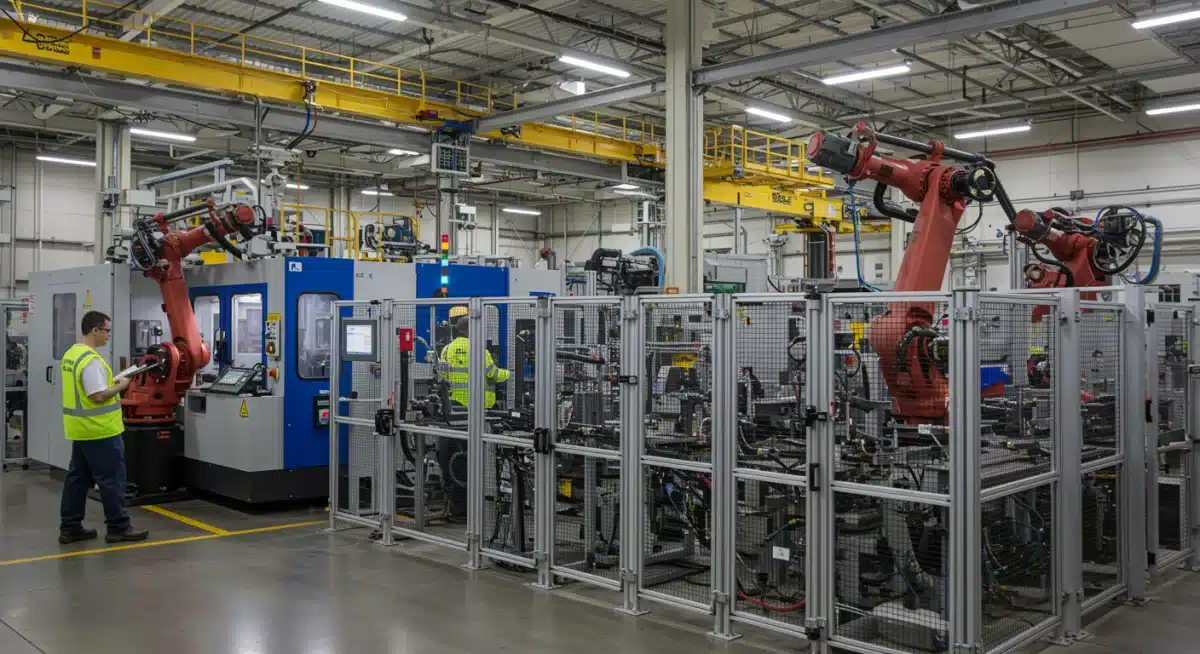
The US government’s emphasis on bolstering domestic production through initiatives and incentives further fuels this trend. This includes investments in advanced manufacturing technologies and workforce development programs.
Key Drivers of Reshoring
- Reducing exposure to geopolitical risks and trade uncertainties.
- Improving control over intellectual property and product quality.
- Meeting increasing consumer demand for locally sourced and sustainably produced goods.
Challenges and Opportunities in Nearshoring
While nearshoring offers many advantages, it also presents challenges such as higher labor costs compared to some overseas markets. However, automation and efficiency gains can often offset these differences, making it a viable option for many US businesses.
Ultimately, the move towards domestic manufacturing and nearshoring is a strategic imperative for many US companies seeking to build more robust and responsive supply chains. This trend contributes significantly to the overall US Supply Chain Resilience by reducing external dependencies and fostering local economic growth.
Labor Market Dynamics and Workforce Development
A resilient supply chain is only as strong as its workforce. In 2025, labor market dynamics, including talent shortages, skill gaps, and evolving labor relations, will significantly influence the operational capabilities of US supply chains. Attracting, training, and retaining skilled workers across logistics, manufacturing, and technology sectors will be crucial.
The increasing complexity of modern supply chains, driven by automation and digital tools, necessitates a highly skilled workforce. Companies must invest in continuous education and training programs to ensure their employees possess the competencies required to manage advanced systems and data-driven operations.
Addressing the Skilled Labor Shortage
The US is facing persistent shortages in critical supply chain roles, from truck drivers to data analysts. This shortage can lead to increased costs, delays, and reduced service levels. Strategic partnerships with educational institutions and vocational schools are vital.
- Implementing apprenticeship programs to develop specialized skills.
- Offering competitive wages and benefits to attract and retain talent.
- Investing in automation to augment human labor and optimize workforce allocation.
Impact of an Aging Workforce
An aging workforce in many traditional supply chain sectors presents a knowledge transfer challenge. Companies need to develop robust succession planning and mentorship programs to ensure critical expertise is passed on to newer generations.
In summary, a strong and adaptive workforce is a cornerstone of supply chain resilience. Businesses that prioritize workforce development, talent attraction, and employee well-being will be better equipped to navigate the labor market challenges of 2025 and ensure the smooth functioning of their supply chains.
Infrastructure Investment and Modernization
The physical infrastructure supporting US supply chains—roads, railways, ports, and warehouses—is fundamental to their efficiency and resilience. In 2025, continued investment and modernization of this infrastructure will be a key indicator of the nation’s capacity to handle growing trade volumes and respond to disruptions.
Aging infrastructure can lead to bottlenecks, increased transit times, and higher operational costs. Federal and state initiatives aimed at upgrading transportation networks and logistics hubs are essential for enhancing overall supply chain performance.
Port Modernization and Capacity Expansion
US ports are critical gateways for international trade. Investments in deeper channels, larger cranes, and automated systems can significantly improve throughput and reduce vessel turnaround times, directly impacting import and export efficiency.
- Upgrading port technology to handle larger container ships and optimize cargo flow.
- Expanding intermodal connectivity to efficiently move goods from ports to inland destinations.
- Developing smart port initiatives to enhance security and operational visibility.
Digital Infrastructure for Supply Chain Visibility
Beyond physical infrastructure, robust digital infrastructure is equally important. This includes reliable broadband access for remote operations, secure data networks for information exchange, and cloud-based platforms for collaborative supply chain management.
Ultimately, sustained investment in modern infrastructure, both physical and digital, is non-negotiable for building resilient US supply chains. These improvements reduce vulnerabilities, enhance efficiency, and ensure the seamless flow of goods across the nation, contributing directly to the nation’s economic stability.
Sustainability and ESG Factors in Supply Chains
Environmental, Social, and Governance (ESG) factors are no longer peripheral concerns but central tenets of modern supply chain management. In 2025, the integration of sustainability practices and robust ESG frameworks will be a key indicator of a resilient and future-proof US supply chain. Consumers, investors, and regulators are increasingly demanding transparency and accountability in these areas.
Sustainable supply chains are inherently more resilient. By reducing waste, optimizing resource use, and fostering ethical labor practices, companies can minimize operational risks, enhance brand reputation, and comply with evolving regulations. This proactive approach to ESG helps mitigate disruptions caused by environmental disasters, social unrest, or regulatory penalties.
Circular Economy Principles
Adopting circular economy principles, which emphasize reducing, reusing, and recycling materials, can significantly enhance supply chain sustainability. This approach minimizes reliance on finite resources and reduces waste generation.
- Designing products for longevity and recyclability.
- Implementing reverse logistics for product returns and material recovery.
- Collaborating with suppliers to reduce packaging and carbon footprint.
Ethical Sourcing and Labor Practices
Ensuring ethical sourcing and fair labor practices throughout the supply chain is crucial for maintaining social license to operate and avoiding reputational damage. This involves thorough due diligence on suppliers and adherence to international labor standards.
In conclusion, prioritizing sustainability and integrating ESG factors into supply chain strategies are vital for long-term resilience. Companies that embrace these principles will not only meet stakeholder expectations but also build more robust, efficient, and ethical operations, securing their position in the evolving US market.
Risk Management and Agility Frameworks
Effective risk management and the implementation of agile frameworks are fundamental to building and maintaining Supply Chain Resilience in 2025: Key US Market Indicators to Watch. The ability to identify, assess, and mitigate potential disruptions before they escalate is paramount. This requires a proactive rather than reactive approach to supply chain planning and execution.
Agility, in the context of supply chains, refers to the capacity to respond swiftly and effectively to unexpected changes. This involves having flexible processes, diversified suppliers, and adaptable logistics networks that can quickly pivot when disruptions occur.
Developing Robust Risk Assessment Protocols
Companies must establish comprehensive risk assessment protocols that cover a wide range of potential threats, including natural disasters, cyberattacks, geopolitical instability, and economic downturns. This involves mapping out the entire supply chain to identify critical nodes and potential points of failure.
- Conducting regular vulnerability assessments and stress tests.
- Implementing early warning systems for emerging risks.
- Developing contingency plans for various disruption scenarios.
Implementing Agile Supply Chain Strategies
An agile supply chain is characterized by its flexibility and responsiveness. This can involve strategies like multi-sourcing, maintaining buffer stock, and leveraging modular production capabilities to quickly adapt to changing demand or supply conditions.
Ultimately, a strong focus on risk management and the adoption of agile frameworks are indispensable for US supply chains aiming for resilience in 2025. These strategies enable businesses to not only survive but thrive amidst an unpredictable global environment, ensuring continuity and competitive advantage.
| Key Indicator | Brief Description |
|---|---|
| Geopolitical Stability | Monitoring trade policies and international relations crucial for sourcing and market access. |
| Technological Adoption | Integration of AI, ML, and blockchain for enhanced visibility and predictive capabilities. |
| Domestic Production | Increased nearshoring and reshoring efforts to reduce foreign dependency and strengthen local supply. |
| Infrastructure Health | Investment in modernizing US ports, roads, railways, and digital networks. |
Frequently Asked Questions About US Supply Chain Resilience
The primary concern is navigating increased geopolitical instability and evolving trade policies, which can significantly impact sourcing, logistics, and market access for US businesses. Diversification and strategic partnerships are key to mitigating these risks effectively.
Technology, especially AI, machine learning, and blockchain, provides enhanced visibility, predictive analytics, and automation. These tools enable faster decision-making, optimize inventory, and improve traceability, making supply chains more adaptive to disruptions.
Domestic manufacturing and nearshoring reduce reliance on distant suppliers, mitigating risks from geopolitical events and long transit times. It also strengthens local economies, improves quality control, and supports national security interests.
A skilled workforce is essential for managing complex, technology-driven supply chains. Investing in training, addressing labor shortages, and fostering talent retention ensures operational efficiency and the ability to adapt to new challenges and innovations.
Integrating ESG (Environmental, Social, Governance) factors enhances resilience by reducing operational risks, improving brand reputation, and ensuring regulatory compliance. Sustainable practices minimize waste and resource dependency, while ethical sourcing prevents social disruptions.
Conclusion
The journey towards robust US Supply Chain Resilience in 2025 is multifaceted, requiring a strategic blend of technological innovation, proactive risk management, and a commitment to sustainable practices. The key market indicators discussed—geopolitical stability, technological adoption, domestic manufacturing, labor dynamics, infrastructure investment, and ESG factors—collectively paint a picture of an evolving landscape. Businesses that meticulously monitor these indicators and integrate adaptive strategies into their core operations will not only withstand future disruptions but also gain a significant competitive advantage. Building a truly resilient supply chain is an ongoing endeavor that demands continuous vigilance, strategic foresight, and a willingness to embrace change, ensuring the seamless flow of commerce and sustained economic growth for the United States.