Contactless Payments U.S. 2025: 80% Adoption Projected
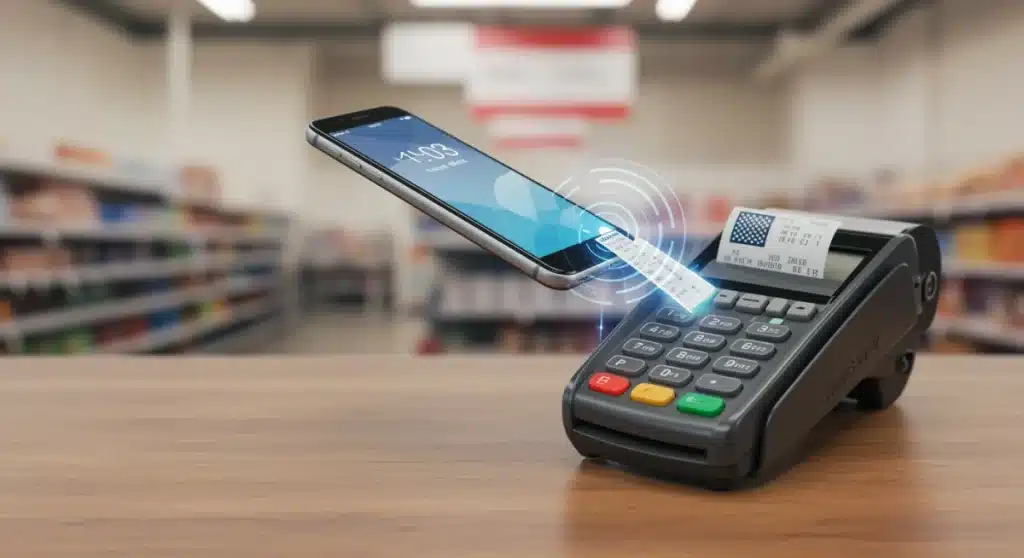
The future of contactless payments in the U.S. is set for significant growth, with experts projecting an impressive 80% adoption rate by 2025, transforming how Americans conduct transactions.
The landscape of financial transactions in the United States is undergoing a profound transformation, with the future of contactless payments in the U.S.: projections for 80% adoption by 2025 emerging as a central theme. This shift, accelerated by technological advancements and changing consumer behaviors, promises a more efficient, secure, and convenient way to conduct daily purchases. As we delve deeper, we’ll explore the multifaceted factors propelling this rapid adoption and what it means for consumers, businesses, and the broader U.S. economy.
The Rise of Contactless: A Decade in the Making
The journey towards widespread contactless payment adoption has been a gradual yet persistent one, evolving from niche technology to a mainstream payment method. While Europe and Asia embraced tap-to-pay much earlier, the U.S. market, initially slower to adapt, has seen an exponential surge in recent years. This acceleration is not merely a trend but a fundamental shift in how transactions are perceived and executed, driven by a confluence of factors including infrastructure upgrades and heightened consumer awareness.
The early days of contactless payments in the U.S. were met with skepticism and a lack of compatible infrastructure. Many merchants were not equipped with the necessary point-of-sale (POS) terminals, and consumers were accustomed to traditional swipe or chip-and-PIN methods. However, the introduction of mobile payment platforms like Apple Pay and Google Pay, coupled with the EMV liability shift, acted as significant catalysts. These developments spurred banks to issue contactless cards and encouraged merchants to upgrade their systems, laying the groundwork for the current rapid expansion.
Driving Forces Behind the Surge
- Technological Advancements: Continuous improvements in NFC (Near Field Communication) technology and mobile device integration make contactless transactions faster and more reliable.
- Enhanced Security: Tokenization and encryption protocols inherent in contactless payments significantly reduce fraud risks compared to traditional methods.
- Consumer Convenience: The speed and ease of tap-to-pay reduce checkout times, a major appeal for busy consumers.
- Pandemic Acceleration: The global health crisis underscored the importance of hygienic, touch-free transactions, further solidifying contactless as a preferred option.
Looking ahead, the momentum is undeniable. Financial institutions, payment networks, and tech companies are all investing heavily in promoting and refining contactless solutions. This collective effort ensures that the technology continues to evolve, addressing any lingering concerns and making the experience even more seamless. The foundation has been laid, and the pathway to 80% adoption by 2025 appears increasingly clear, promising a future where tapping to pay is the norm rather than the exception.
Understanding the 80% Adoption Projection by 2025
The projection of 80% adoption for contactless payments in the U.S. by 2025 is a bold statement, yet it is grounded in observable trends and strategic initiatives across the payment ecosystem. This isn’t just about consumers having contactless cards or mobile wallets; it signifies a pervasive integration of this payment method into daily life, from coffee shops to major retailers. Achieving this level of adoption requires a harmonious interplay between consumer readiness, merchant infrastructure, and the broader regulatory environment.
Several key indicators support this ambitious forecast. Firstly, the percentage of credit and debit cards issued with contactless capabilities has soared, making it easier for consumers to simply tap their existing cards. Secondly, the proliferation of mobile payment options means that even without a contactless card, most smartphone users have a tap-to-pay option readily available. Thirdly, merchants, recognizing the benefits of faster transactions and improved customer experience, are increasingly upgrading their POS systems to accept contactless payments. This widespread availability at the point of sale is crucial for driving consistent use.
Factors Contributing to High Adoption
- Issuance of Contactless Cards: Major banks and card networks have been actively issuing contactless-enabled cards, replacing older magnetic stripe and chip-only versions.
- Mobile Wallet Penetration: The widespread use of smartphones has made mobile wallets like Apple Pay, Google Pay, and Samsung Pay ubiquitous, offering convenient contactless options.
- Merchant Acceptance: Retailers, from small businesses to large chains, are rapidly deploying and upgrading POS terminals to accept contactless payments, driven by customer demand and operational efficiencies.
- Marketing and Education: Payment networks and financial institutions are investing in campaigns to educate consumers on the benefits and ease of use of contactless payments.
The path to 80% adoption also involves addressing lingering misconceptions and ensuring universal accessibility. While urban areas and younger demographics have been quicker to embrace contactless, efforts are being made to reach rural communities and older generations through targeted education and user-friendly interfaces. The goal is not just to have the technology available, but for it to be the preferred and most natural choice for the majority of transactions. This widespread acceptance will cement contactless payments as a cornerstone of the U.S. digital economy.
Benefits for Consumers and Businesses
The widespread adoption of contactless payments brings a multitude of benefits, creating a win-win scenario for both consumers and businesses. For the everyday shopper, the appeal lies primarily in speed and convenience, transforming the checkout experience from a sometimes-cumbersome process into a quick tap. This efficiency saves precious seconds, especially in high-traffic environments, and contributes to a more seamless shopping journey. Beyond speed, the enhanced security features offer peace of mind, knowing that transaction data is protected through advanced encryption and tokenization.
For businesses, the advantages are equally compelling, directly impacting operational efficiency and customer satisfaction. Faster transaction times mean shorter queues, which can significantly improve customer throughput and reduce wait times. This not only enhances the customer experience but also allows staff to focus on other tasks, improving overall productivity. Moreover, the robust security of contactless payments helps mitigate fraud, reducing chargebacks and protecting sensitive customer data, which is crucial in today’s digital age.
Key Advantages of Contactless Payments
- For Consumers:
- Speed and Convenience: Tap-and-go transactions are significantly faster than traditional methods.
- Enhanced Security: Tokenization protects card details, reducing the risk of fraud.
- Hygiene: Reduced physical contact with POS terminals, a growing concern for many.
- Ease of Use: Simple and intuitive for all age groups once introduced.
- For Businesses:
- Faster Checkout Times: Leads to shorter queues and increased customer satisfaction.
- Reduced Fraud: Advanced security features minimize financial losses from fraudulent transactions.
- Improved Operational Efficiency: Staff can process more transactions and focus on customer service.
- Broader Customer Appeal: Attracts tech-savvy customers and those prioritizing convenience.
The move toward an 80% contactless adoption rate by 2025 is not just about technology; it’s about optimizing the transaction experience for everyone involved. Businesses that embrace this shift are likely to see tangible benefits in customer loyalty and operational costs, while consumers will enjoy a more secure, efficient, and convenient way to manage their daily finances. This mutual benefit reinforces the inevitability and desirability of this payment revolution.
Technological Infrastructure and Security Innovations
The backbone of the projected 80% adoption of contactless payments lies in the robust technological infrastructure and continuous security innovations that underpin these systems. Without reliable and secure technology, consumer trust and widespread adoption would be impossible. Near Field Communication (NFC) technology remains at the core, enabling devices to communicate wirelessly over short distances, but it’s the layers of security built around it that truly instill confidence.
Security in contactless payments goes far beyond just tapping a card or phone. It involves sophisticated processes like tokenization, where sensitive card details are converted into a unique, encrypted string of numbers (a token) for each transaction. This token is useless if intercepted, as it cannot be used for subsequent purchases. Furthermore, dynamic data encryption ensures that each transaction generates a unique cryptogram, making it incredibly difficult for fraudsters to replicate or compromise payment information. These advanced security measures are crucial in convincing both consumers and businesses that contactless is not only convenient but also safer than traditional methods.
Key Technological Pillars
- NFC Technology: The fundamental wireless communication protocol enabling tap-to-pay.
- Tokenization: Replaces sensitive card data with unique, encrypted tokens for each transaction, enhancing data security.
- End-to-End Encryption: Ensures that payment data is encrypted from the moment it leaves the consumer’s device until it reaches the payment processor.
- Biometric Authentication: Many mobile wallets integrate fingerprint or facial recognition, adding an extra layer of security for transactions.
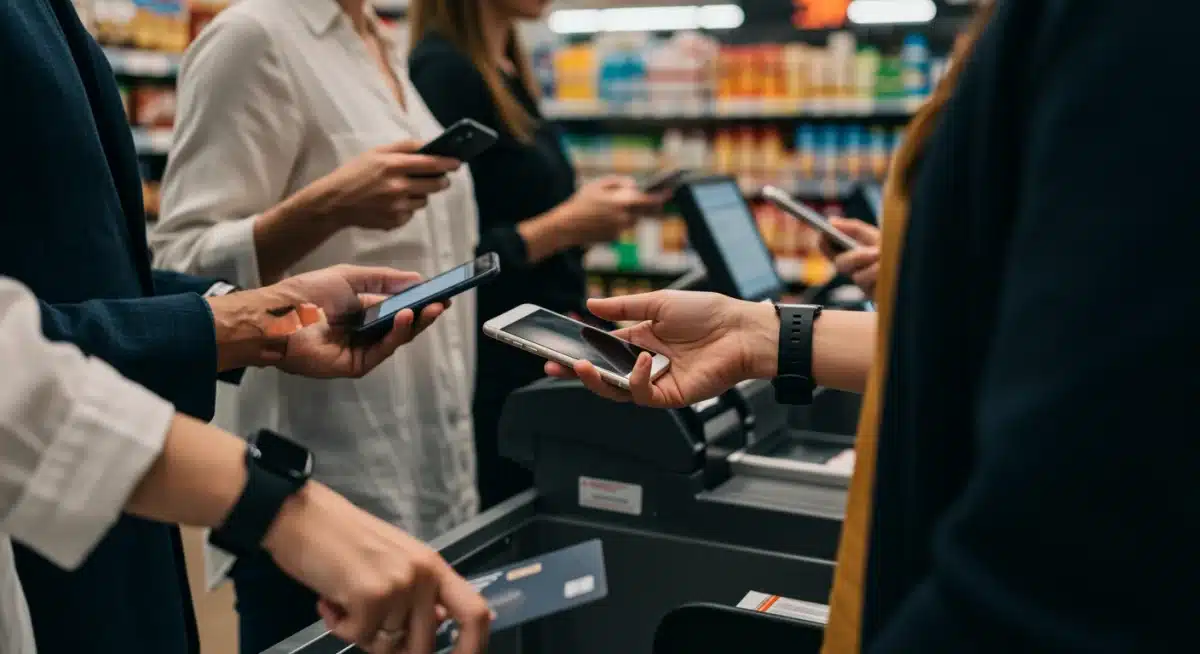
Beyond the core technologies, continuous innovation in payment terminals, software updates, and fraud detection algorithms further strengthens the ecosystem. Payment networks are constantly evolving their protocols to counter new threats, while banks are implementing real-time monitoring to identify and prevent suspicious activities. This ongoing commitment to technological advancement and security is not just about protecting transactions; it’s about building a resilient and trustworthy payment infrastructure that can support the projected widespread adoption and secure the future of digital payments in the U.S.
Challenges and Overcoming Barriers to Adoption
While the trajectory for contactless payments in the U.S. points towards significant growth and 80% adoption by 2025, several challenges and barriers still need to be addressed. Overcoming these hurdles is essential for ensuring a truly pervasive and inclusive transition to tap-to-pay. One primary challenge revolves around educating the remaining segments of the population who may be unfamiliar with or hesitant about the technology. This includes older demographics or individuals in rural areas who might have less exposure to digital payment innovations.
Another significant barrier can be the perceived complexity or security concerns, even though contactless payments are generally more secure than traditional methods. Misinformation or a lack of clear communication can lead to unfounded fears, slowing down adoption. Furthermore, ensuring that all merchants, especially smaller businesses, have access to affordable and easy-to-implement contactless POS systems is crucial. While major retailers have largely adopted the technology, the long tail of small and medium-sized businesses (SMBs) represents a substantial portion of the market that needs to be onboarded effectively.
Addressing Adoption Obstacles
- Consumer Education: Clear and consistent messaging about the benefits, security, and ease of use of contactless payments is vital to build trust and encourage trial.
- Merchant Infrastructure Costs: Providing incentives or affordable solutions for SMBs to upgrade their POS systems can accelerate acceptance.
- Interoperability: Ensuring seamless functionality across various card types, mobile wallets, and terminal brands to avoid consumer frustration.
- Accessibility: Designing systems that are intuitive for all users, including those with disabilities or limited technological literacy.
Overcoming these challenges requires a concerted effort from all stakeholders: financial institutions, payment networks, technology providers, and government bodies. Strategic partnerships, targeted educational campaigns, and supportive policies can help dismantle existing barriers. By focusing on user experience, addressing security concerns head-on, and ensuring broad accessibility, the U.S. can solidify its path towards achieving the ambitious 80% contactless payment adoption target, making digital transactions a seamless reality for nearly everyone.
The Impact on the U.S. Digital Economy
The projected 80% adoption of contactless payments by 2025 will have a transformative impact on the U.S. digital economy, fostering greater efficiency, innovation, and economic growth. This widespread shift signifies more than just a change in payment method; it represents a deeper integration of digital technologies into daily commerce, streamlining transactions and creating new opportunities for businesses and consumers alike. The speed and data capabilities of contactless transactions provide valuable insights that can drive smarter business decisions and more personalized consumer experiences.
Economically, faster transactions can lead to increased sales volume, particularly in sectors like quick-service restaurants and retail, where speed at the point of sale is paramount. Reduced cash handling costs for businesses, coupled with fewer instances of cash-related theft, can also contribute to improved bottom lines. Furthermore, the rich data generated by digital transactions can be leveraged by businesses for better inventory management, targeted marketing, and understanding consumer trends, fostering a more dynamic and responsive marketplace. This data-driven approach is a hallmark of a mature digital economy.
Economic Implications of Contactless Dominance
- Increased Transaction Velocity: Faster payments mean more transactions can be processed in a given time, boosting economic activity.
- Reduced Operational Costs for Businesses: Less cash handling, fewer errors, and streamlined reconciliation save time and money.
- Enhanced Data Analytics: Digital transactions provide valuable insights into consumer behavior, enabling better business strategies.
- Stimulated Innovation: The widespread adoption encourages further development in payment technologies and related services.
- Financial Inclusion: Easier access to digital payments can benefit underbanked populations by integrating them into the formal economy.
Moreover, the shift towards contactless payments aligns with broader trends in the digital economy, such as the growth of e-commerce and mobile-first strategies. It bridges the gap between online and in-person shopping experiences, creating a more cohesive and convenient ecosystem for consumers. As the U.S. moves closer to 80% adoption, the foundational elements for a more robust, efficient, and digitally advanced economy will be firmly in place, paving the way for future innovations and continued growth across various sectors.
| Key Point | Brief Description |
|---|---|
| 80% Adoption Target | By 2025, 80% of U.S. transactions are projected to be contactless, indicating widespread integration. |
| Key Drivers | Convenience, security enhancements (tokenization), and merchant infrastructure upgrades are propelling growth. |
| Benefits for All | Consumers gain speed and security; businesses see increased efficiency and reduced fraud. |
| Overcoming Hurdles | Education, affordable tech for SMBs, and interoperability are crucial for universal adoption. |
Frequently Asked Questions About Contactless Payments
Contactless payments allow you to pay by tapping a card or mobile device near a payment terminal, without needing to swipe or insert. This technology uses Near Field Communication (NFC) to securely transmit payment information, making transactions quicker and more convenient.
Contactless payments are generally more secure. They use tokenization, replacing your actual card number with a unique, encrypted code for each transaction. This means your sensitive data isn’t directly shared, significantly reducing the risk of fraud or data breaches during purchase.
Several factors fuel adoption: increased convenience and speed, enhanced security features, widespread issuance of contactless-enabled cards, and the growing popularity of mobile payment apps. The push for hygienic transactions during recent health crises also played a significant role.
While the projection is for 80% adoption, meaning most transactions will be contactless, it’s unlikely every single merchant will accept them. However, major retailers and a growing number of small businesses are rapidly upgrading their systems, making it widely available in most shopping scenarios.
Businesses benefit from faster checkout times, which leads to shorter queues and improved customer satisfaction. They also experience reduced fraud thanks to advanced security protocols and can leverage transaction data for better business insights and operational efficiency.
Conclusion
The journey toward 80% adoption of contactless payments in the U.S. by 2025 is not merely a forecast but a reflection of a fundamental shift in consumer preferences and technological capabilities. This transformation promises a future where transactions are not only faster and more convenient but also inherently more secure. While challenges in education and infrastructure remain, the collective efforts of financial institutions, tech companies, and merchants are steadily dismantling these barriers. As we move closer to this milestone, contactless payments are set to become an indispensable part of the American digital economy, fostering efficiency, innovation, and a seamless transactional experience for all.